
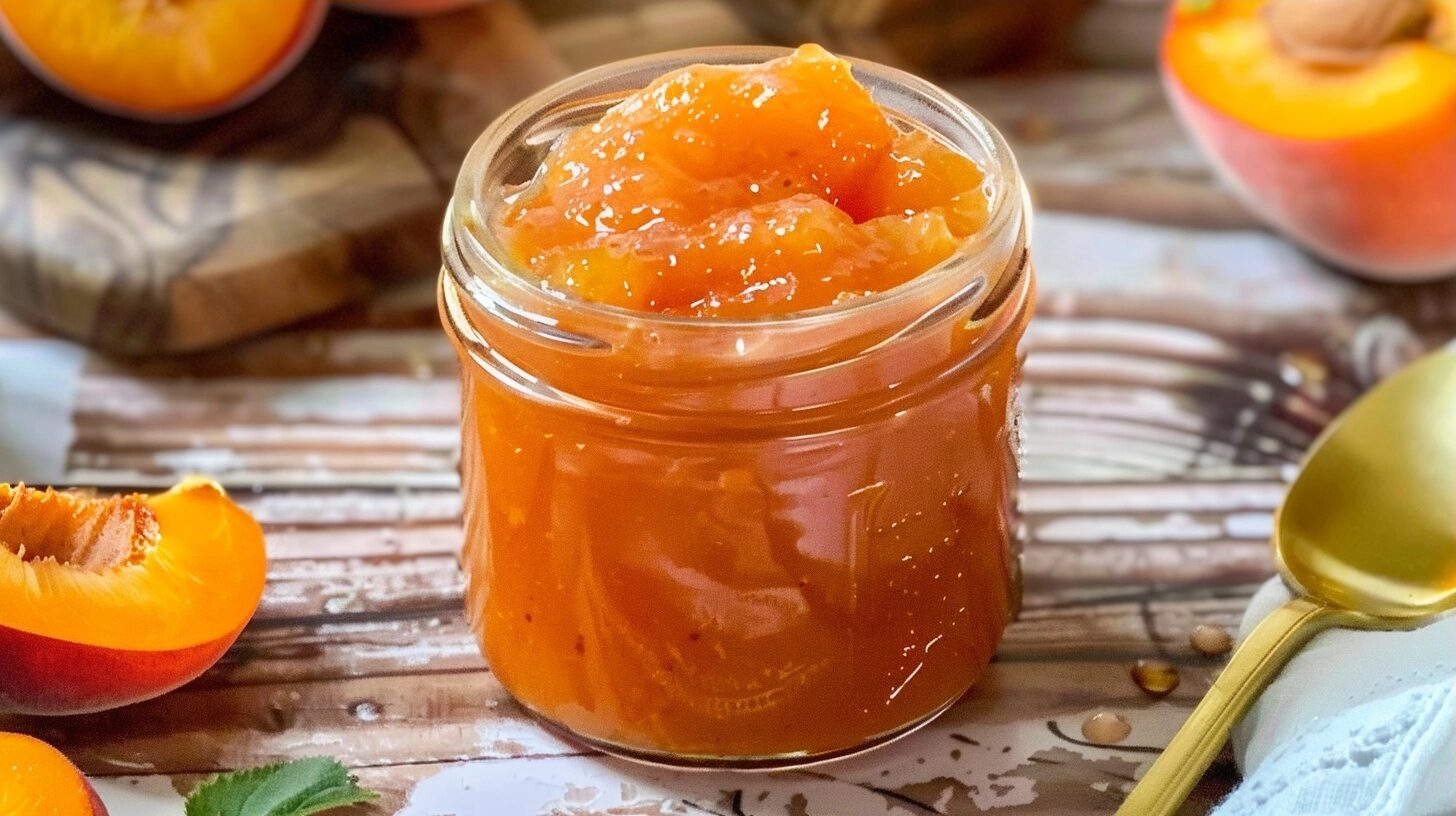
Homemade apricot jam captures the fleeting sweetness of sun-ripened fruit in a vibrant, golden spread that defines summer mornings. This classic preserve relies on the natural pectin in fresh apricots combined with sugar and a hint of bright lemon juice to achieve a perfect, spoonable set. Preparing this jam at home provides a deep, concentrated fruit flavor that store-bought jars simply cannot replicate, turning a simple slice of toast into a gourmet experience.
Table of Contents
Table of Contents
Why You’ll Love This Homemade Apricot Jam
The first thing you will notice is the magnificent color. Unlike mass-produced versions that can appear dull, this recipe maintains a brilliant, sunny orange hue that looks beautiful in a glass jar. The flavor profile strikes a delicate balance between the tart skin and the honey-like sweetness of the apricot flesh, creating a complex taste that feels both sophisticated and comforting.
You will appreciate the simplicity of the process. It requires only three primary ingredients and a bit of patience, making it an excellent project for beginners who want to explore home canning. It transforms a seasonal surplus of fruit into a shelf-stable treasure that lasts well into the colder months.
Beyond the breakfast table, this jam is incredibly versatile. Its bright acidity pairs beautifully with savory elements, such as glazing roasted chicken or whisking it into a salad dressing to provide a fruity lift. It is a humble pantry staple that feels like a luxury every time you reach for it.
Ingredients of the Homemade Apricot Jam
For the Jam Base
- 4 cups fresh apricots, pitted and chopped
- 2 cups granulated sugar
- 2 tablespoons fresh lemon juice
Optional Flavor Enhancers
- 1/2 teaspoon vanilla extract
- 1/4 teaspoon ground cardamom
Equipment / Tools Needed
- Large stainless steel saucepan or heavy-bottomed pot
- Chef’s knife and cutting board
- Potato masher or wooden spoon
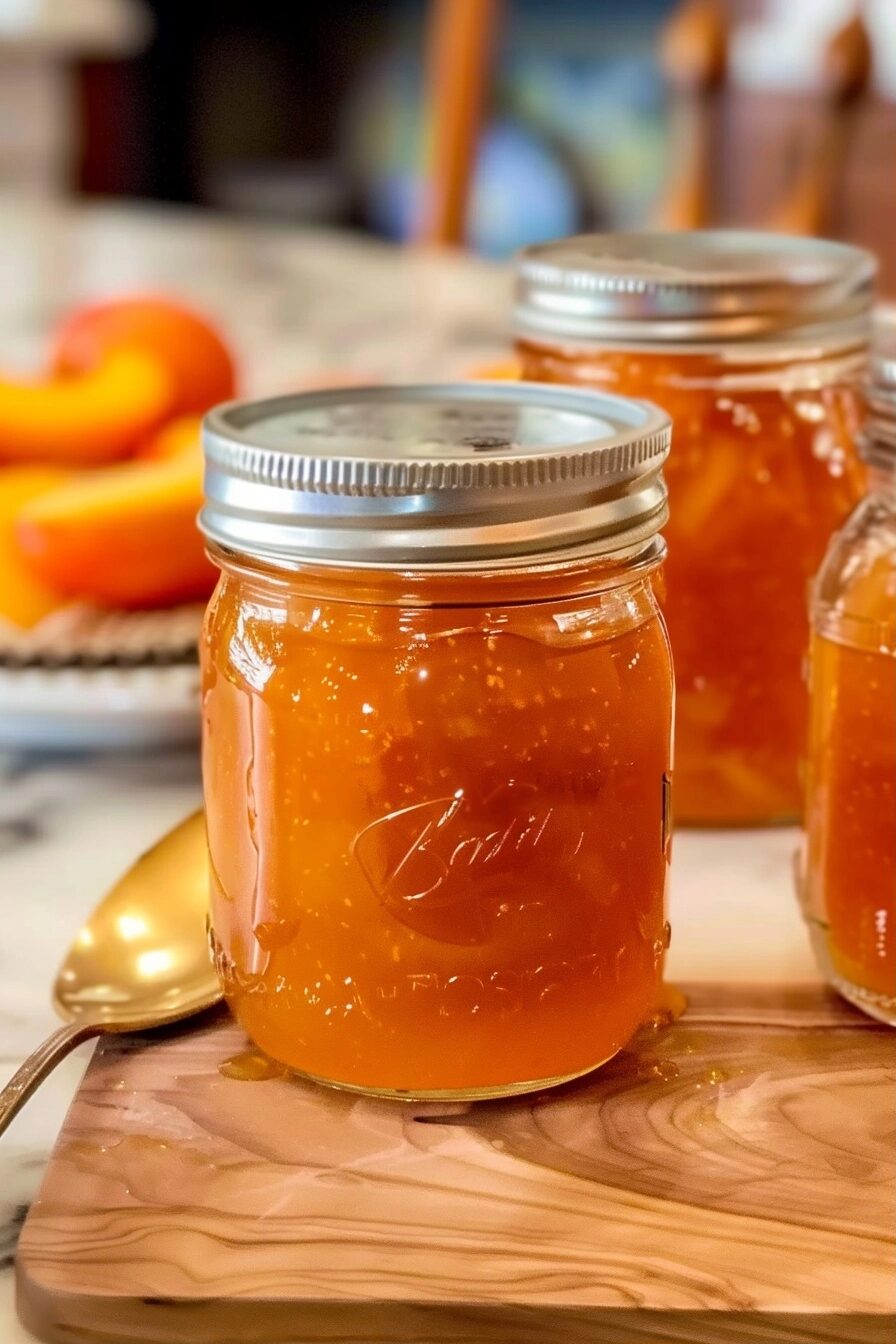
- Glass mason jars with lids
- Ladle
Step-by-Step Instructions
Step 1: Prepare the Apricots
Begin by washing your apricots thoroughly under cool, running water. Remove the pits and chop the fruit into small, uniform pieces. If you prefer a smoother jam, you can chop them finely, but leaving small chunks will provide a lovely texture that highlights the rustic nature of the fruit.
Step 2: Macerate the Fruit
In your heavy-bottomed pot, combine the chopped apricots and the granulated sugar. Stir them together until the fruit is well-coated. Let the mixture sit for at least an hour at room temperature. You will notice the fruit releasing its juices and the sugar dissolving into a glistening syrup, which helps ensure even cooking.
Step 3: Simmer to Consistency
Place the pot over medium heat, stirring constantly until the sugar has fully dissolved. Add the lemon juice. Bring the mixture to a rolling boil, then reduce the heat to a gentle simmer. Use your spoon or masher to break down any remaining large pieces of fruit. Cook for about 20 to 30 minutes, skimming off any foam that forms on the surface.
Step 4: The Final Set
To check if your jam is ready, place a small spoon in the freezer for a few minutes. Drop a tiny bit of the jam onto the cold spoon. If it wrinkles slightly when you push it with your finger, it has reached its set point. Stir in your chosen flavor enhancers, then remove from heat.
Tips & Tricks
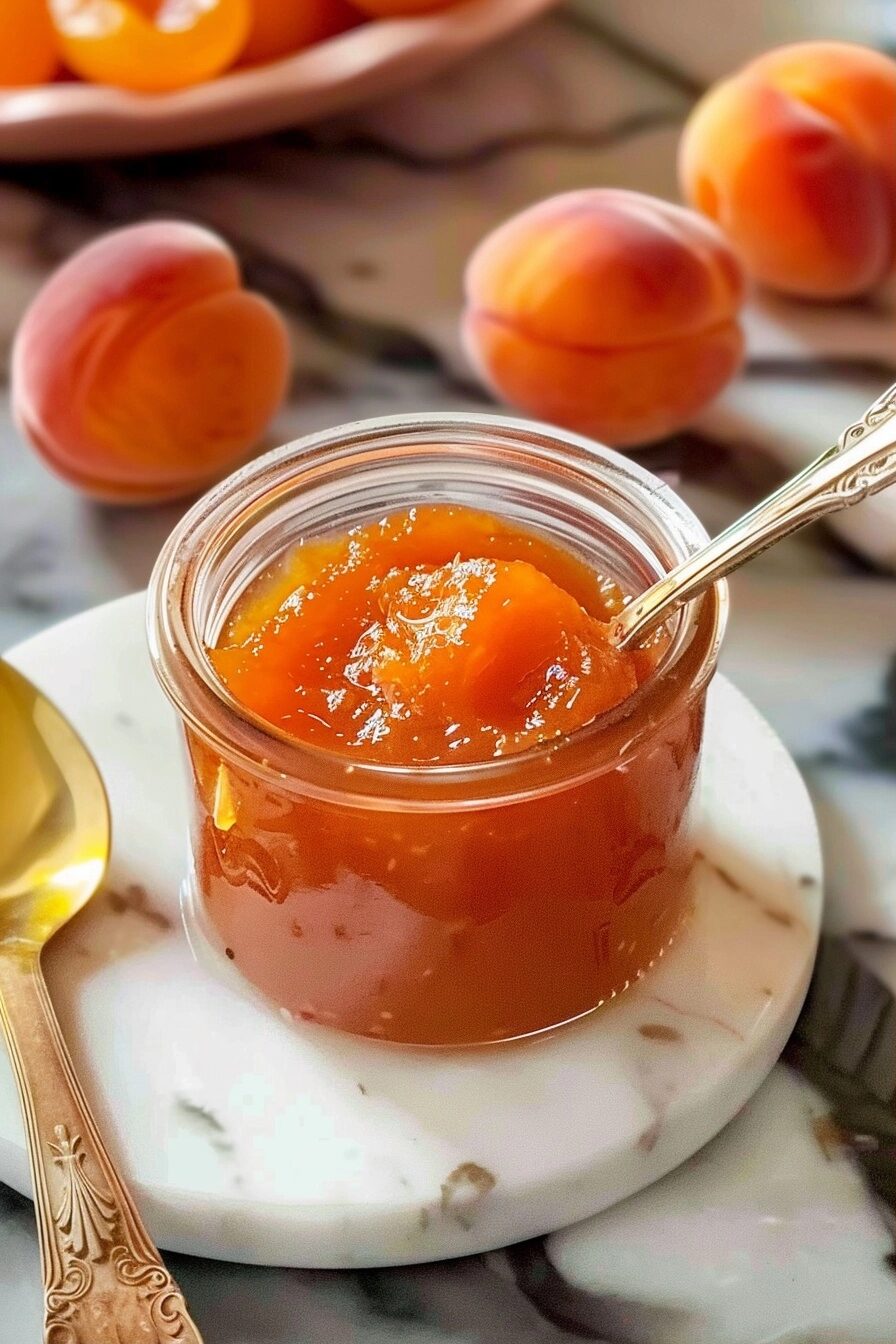
Always use fruit that is ripe but firm. Avoid overripe or bruised apricots, as they can cause the jam to lose its bright, distinct flavor. If your jam seems too thin, you can continue to boil it for an extra few minutes, but keep a close eye on the bottom of the pot to prevent scorching. Storing your jars in a cool, dark cupboard is essential to preserving the vibrant color over time.
Serving Suggestions
Serve this jam generously on warm, buttered sourdough toast or stirred into plain Greek yogurt for a fiber-rich breakfast. It also makes a fantastic accompaniment to a cheese board, serving as a bright, acidic contrast to nutty aged cheeses like Gruyere or firm Manchego.
Variations / Substitutions
You can experiment with adding a subtle floral note by tucking in a few leaves of fresh thyme or a sprig of rosemary during the boiling process before removing them at the end. If you prefer less sugar, ensure you are using very ripe fruit to maximize natural sweetness, but keep in mind that sugar serves as both a sweetener and a preservative for the pectin set.
Storage and Reheating
Once cooled, store your jam in sterilized glass jars in the refrigerator for up to one month. For longer storage, you can process the jars in a water bath canner. If the jam becomes too stiff after refrigeration, you can gently heat a small portion in a microwave-safe dish for 10 seconds to restore its spreadable consistency.
Nutritional Info
Calories: 55 kcal
Protein: 0.5g
Carbohydrates: 14g
Fat: 0g
Conclusion
There is nothing quite like the satisfaction of opening a jar of homemade apricot jam in the middle of winter. Its sunny flavor serves as a reminder of warmer days, bringing a touch of brightness to your table. Take the time to enjoy the process of simmering the fruit and capturing that fleeting summer sweetness.
We truly hope this recipe becomes a staple in your kitchen. Whether you are gifting a jar to a friend or enjoying it on a quiet Sunday morning, the simple joy of preserved fruit is well worth the effort.
FAQ
How long will the jam last in the fridge?
When stored in an airtight, sterilized jar in the refrigerator, this jam will remain fresh and flavorful for up to four weeks. Always use a clean spoon each time you dip into the jar to prevent spoilage.
Can I use frozen apricots for this recipe?
Yes, frozen apricots work well for this jam. Thaw them completely and drain any excess water before beginning the maceration process with the sugar to ensure your jam sets correctly.
What if I want a smoother, jelly-like texture?
If you prefer a smooth consistency without any fruit chunks, you can pulse the macerated apricots in a food processor before cooking. This will result in a more uniform, spreadable texture that resembles a high-quality preserve.
Can I make this recipe without the lemon juice?
The lemon juice is crucial for both flavor and chemistry. It provides acidity that interacts with the pectin in the apricots to help the jam set properly while brightening the overall flavor of the final product.
Homemade Apricot Jam
Ingredients
- 4 cups fresh apricots, pitted and chopped
- 2 cups granulated sugar
- 2 tablespoons fresh lemon juice
- 1/2 teaspoon vanilla extract (optional)
- 1/4 teaspoon ground cardamom (optional)
Instructions
- Wash the apricots under cool water and remove the pits.
- Chop the apricots into small pieces, keeping them uniform for even cooking.
- Combine the chopped apricots and granulated sugar in a large heavy-bottomed pot and stir well.
- Let the mixture macerate at room temperature for at least one hour until the sugar dissolves into syrup.
- Place the pot over medium heat and stir in the lemon juice, vanilla, and cardamom if using.
- Bring the mixture to a gentle boil, then simmer while stirring frequently to prevent sticking.
- Use a potato masher or wooden spoon to break down the fruit pieces to your desired consistency.
- Cook until the jam reaches a thickened, spoonable set, roughly 20-30 minutes.
- Carefully ladle the hot jam into sterilized glass mason jars and seal tightly.
- Allow the jars to cool completely before storing in a cool, dark place.