
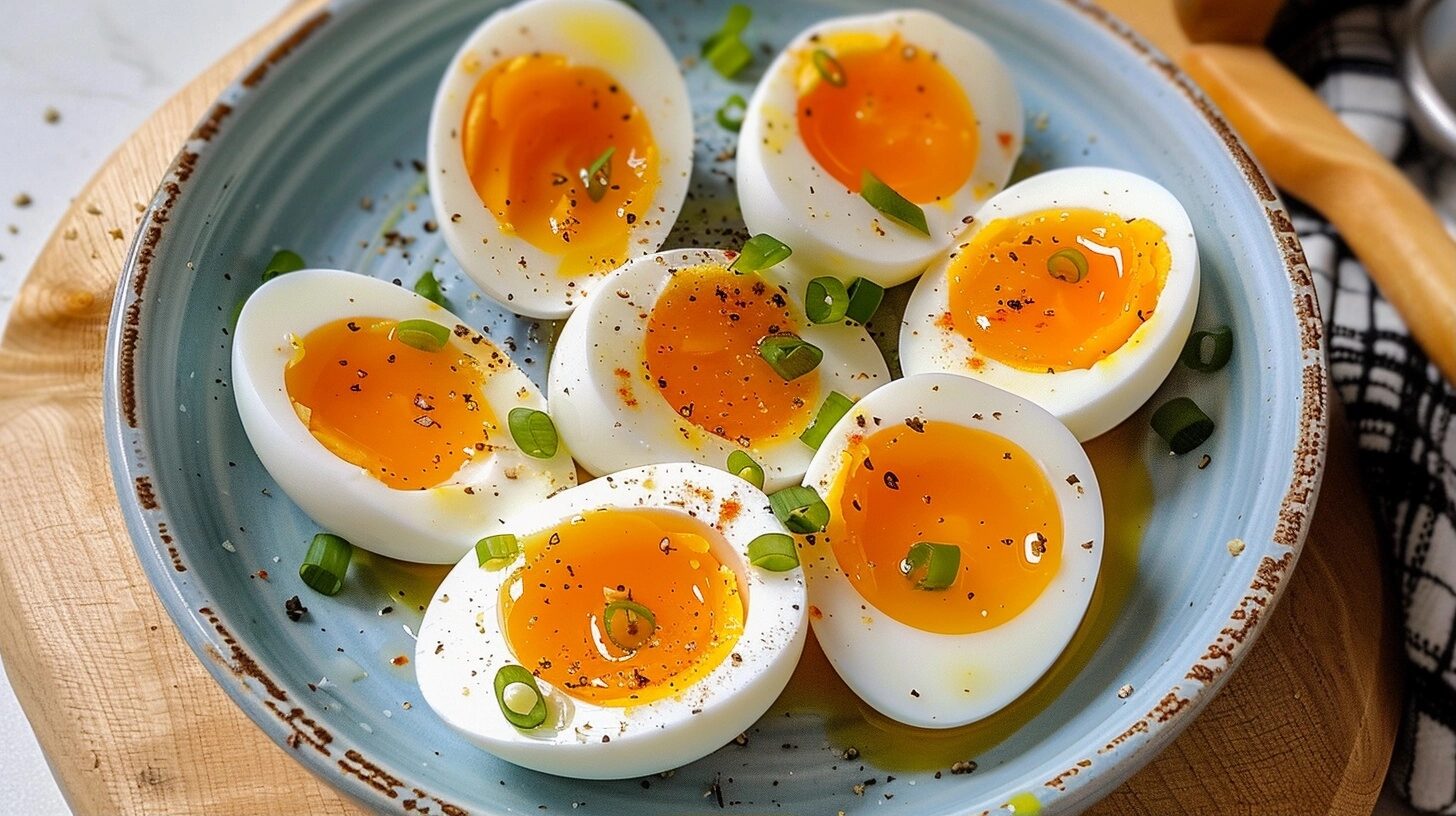
How to make soft-boiled eggs involves carefully monitoring boiling time to achieve a jammy, golden yolk surrounded by tender, fully set whites. This classic kitchen technique relies on simple timing rather than complex equipment, making it a reliable staple for breakfast, salads, or ramen bowls. Once you master the precise temperature control, you can consistently serve eggs with the perfect texture every single morning.
Table of Contents
Table of Contents
Why You’ll Love This Method
The beauty of this method lies in its unwavering consistency. You no longer have to guess if the whites are set enough or if you have accidentally cooked the yolk into a hard, chalky disc. This process ensures the yolks remain gloriously rich and spreadable, creating a natural sauce for toast or grain bowls.
These eggs are incredibly convenient for meal prep. You can batch-cook a half-dozen at the start of the week and keep them in the fridge for a quick protein boost. Because the shell acts as a natural storage container, they stay fresher for much longer than peeled alternatives.
There is a deep level of comfort in a warm, perfectly cooked egg. The transition from the firm outer white to the meltingly soft center offers a contrast that satisfies the palate without feeling heavy. It is simple, humble food at its absolute refined best.
Ingredients of the Method
For the Eggs
- 6 large eggs, room temperature
- Water for boiling
- Ice and cold water for the bath
Equipment / Tools Needed
- Medium saucepan
- Slotted spoon
- Small mixing bowl for the ice bath
- Timer
Step-by-Step Instructions
Step 1: Prep the Ice Bath
Before you even touch the stove, prepare a bowl filled with cold water and a generous amount of ice. Set this aside near your cooking area. Having the shock-cooling station ready prevent the eggs from continuing to cook in their own residual heat once they leave the boiling water.
Step 2: Bring Water to a Boil
Fill your saucepan with enough water to submerge the eggs by at least an inch. Place the pot on the stove over high heat until it reaches a vigorous, rolling boil. Reduce the heat slightly so the bubbles are steady but not splashing out of the pot.
Step 3: Carefully Add the Eggs
Use your slotted spoon to gently lower the room-temperature eggs one by one into the boiling water. Lowering them slowly prevents the shells from cracking against the bottom of the pan. As soon as all eggs are submerged, start your timer immediately.
Step 4: The Perfect Timing
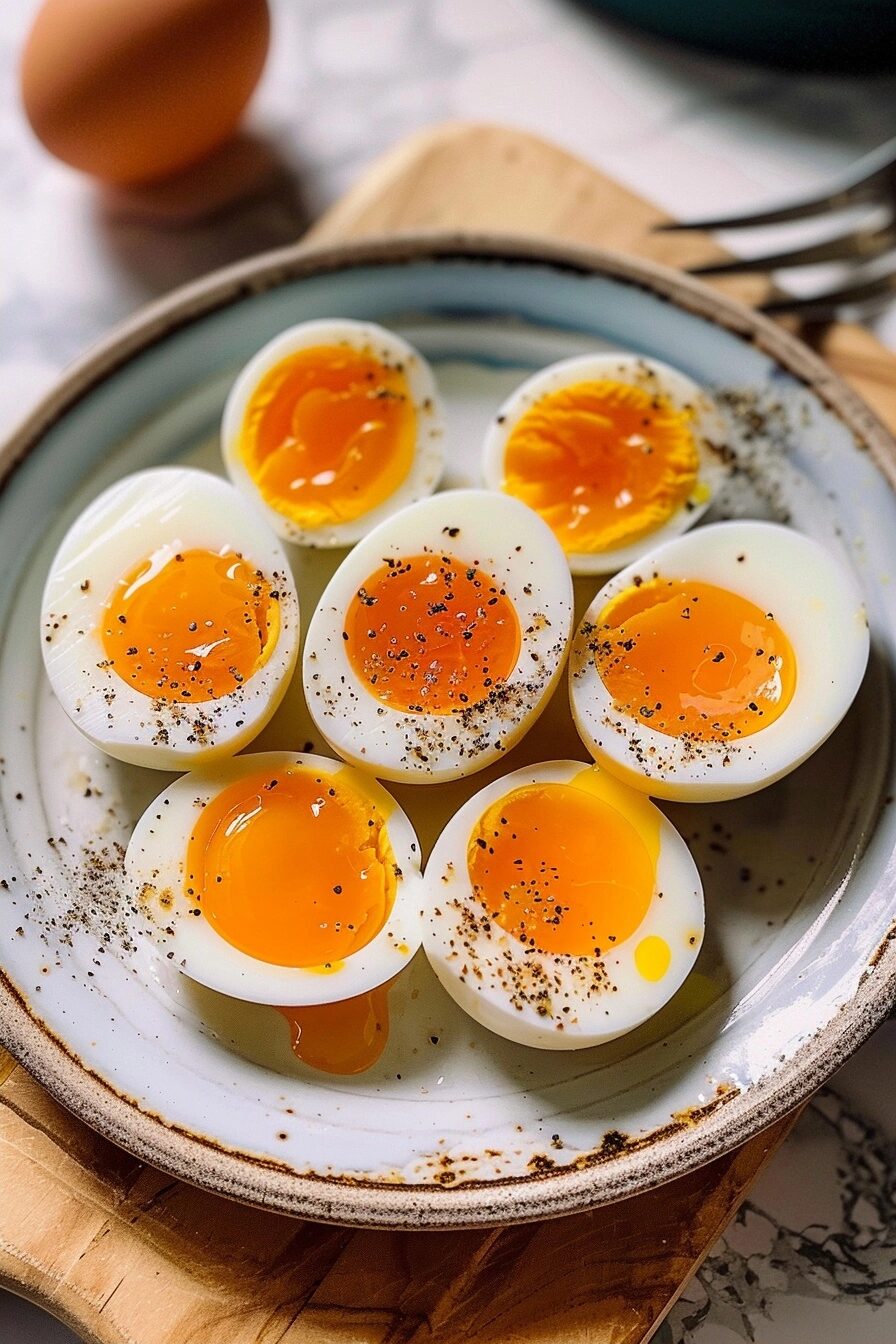
For a perfect soft-boiled egg, set your timer for exactly 6 minutes and 30 seconds. If you prefer a slightly runnier yolk, pull them at 6 minutes; for a firmer jammy center, go to 7 minutes. Maintain a steady simmer throughout this time.
Step 5: The Ice Bath Shock
The moment the timer sounds, remove the eggs with the slotted spoon and immediately plunge them into the ice bath. Let them sit in the icy water for at least 5 minutes. This step is crucial for stopping the cooking process and making the shells much easier to peel later.
Tips & Tricks
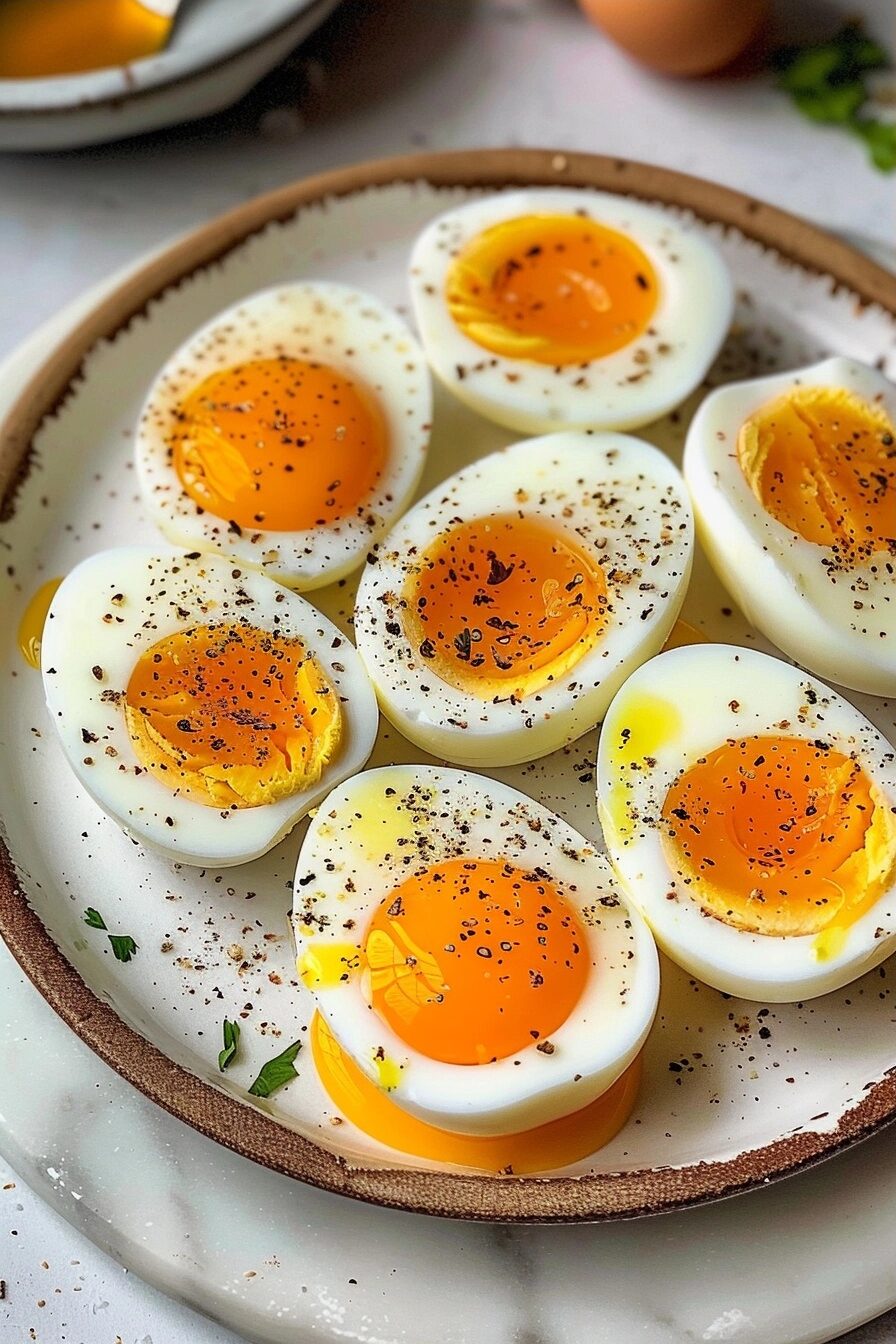
Always use eggs that are slightly older rather than farm-fresh, as older eggs are much easier to peel after boiling. When peeling, tap the shell gently all over and peel under cold running water or submerged in the bowl to help the water get under the membrane. If you see the whites are sticking, patience is your best friend as the water helps the shell slide right off.
Serving Suggestions
Serve these eggs halved over a slice of avocado toast sprinkled with chili flakes and sea salt. They are the crowning glory of a steaming bowl of miso ramen. For a light lunch, nestle them into a bed of spring greens or grain salads to add instant richness and protein.
Variations / Substitutions
- Seasoning: Sprinkle the peeled eggs with smoked paprika or za’atar for an extra kick of flavor.
- Cooking medium: You can add a pinch of salt to the water, though it typically does little to penetrate the shell.
- Soy-marinated: Peel the cooled eggs and submerge them in a mixture of soy sauce, mirin, and water for 4 hours to create premium ramen-style eggs.
Storage and Reheating
Store your unpeeled boiled eggs in the refrigerator in an airtight container for up to 5 days. If you have already peeled them, they are best eaten within 24 hours. To warm them without cooking the yolk further, place the eggs in a bowl of hot tap water for 2-3 minutes before serving.
Nutritional Info
Calories: 78 kcal
Protein: 6g
Carbohydrates: 0.6g
Fat: 5g
Conclusion
Mastering how to make soft-boiled eggs transforms your daily breakfast routine into something elegant and satisfying. With just a few minutes, a pot of water, and some ice, you can elevate any dish from simple to gourmet.
Enjoy the process of perfecting your timing and discovering which yolk consistency you prefer best. Your future meals will certainly thank you for the extra effort.
FAQ
How long do soft-boiled eggs last in the fridge?
Unpeeled eggs can stay fresh in the refrigerator for up to 5 days. Keep them in their shells to maintain optimal quality and prevent them from absorbing fridge odors.
Can I boil cold eggs straight from the fridge?
You can, but they are more likely to crack due to the temperature shock. If possible, let them sit on the counter for 15 minutes before boiling, or use a pin to poke a tiny hole in the bottom of the shell.
Why are my eggs hard to peel?
Difficulty peeling usually happens when the egg is very fresh. Using slightly older eggs and ensuring they are thoroughly chilled in an ice bath are the most effective ways to ensure clean, smooth whites.
Can I reheat a soft-boiled egg if I’ve already peeled it?
It is difficult to reheat an egg without cooking the yolk further. It is highly recommended to enjoy them cold from the fridge or warmed briefly in a bowl of very hot (not boiling) water.
Perfectly Soft-Boiled Eggs
Ingredients
- 6 large eggs, room temperature
- Water for boiling
- Ice cubes for ice bath
Instructions
- Prepare a bowl filled with cold water and a large amount of ice; set aside.
- Fill a medium saucepan with enough water to submerge the eggs by at least an inch and bring to a rolling boil.
- Carefully lower each room-temperature egg into the water using a slotted spoon.
- Start your timer immediately, boiling for 6 minutes and 30 seconds for a jammy center.
- Remove the eggs immediately with a slotted spoon and transfer them to the prepared ice bath.
- Let the eggs cool in the ice bath for at least 5 minutes before peeling or storing.