
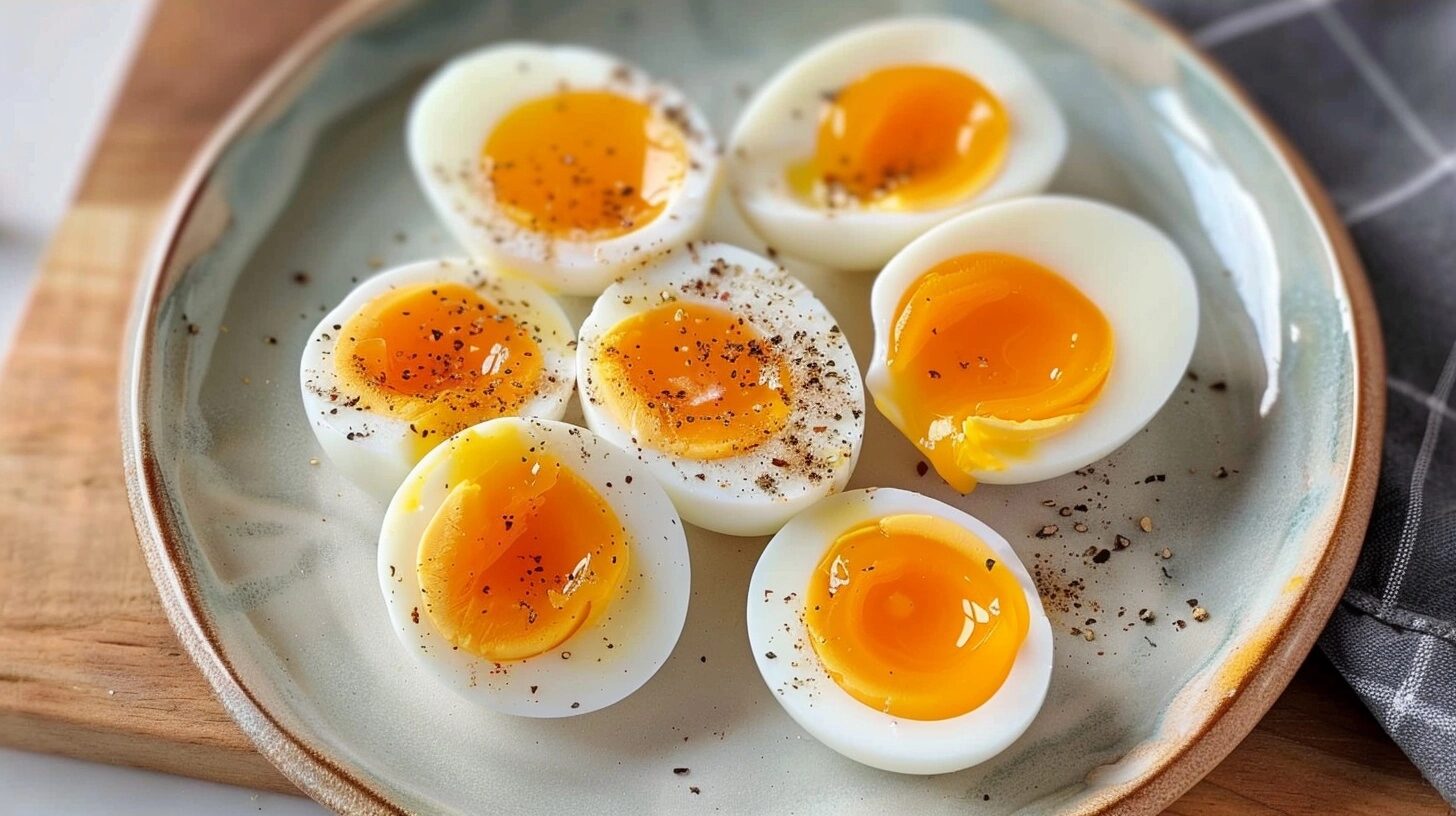
Soft Boiled Eggs are the ultimate simple breakfast staple, featuring a tender, set white and a rich, jammy, molten yolk. Achieving that perfect consistency requires nothing more than precise timing, boiling water, and a quick ice bath to stop the cooking process entirely. Whether you serve them on buttered toast or eat them on their own with a pinch of sea salt, these eggs offer a reliable and protein-packed start to your day.
Table of Contents
Table of Contents
Why You’ll Love This Soft Boiled Eggs Recipe
There is something incredibly soothing about cracking open a warm egg to reveal a golden, flowing center. This method removes the guesswork, ensuring your whites are fully opaque and firm without the yolk getting chalky or hard. Once you master this specific timing, it becomes a reliable skill you will use daily.
These eggs are spectacularly versatile. They elevate avocado toast, bring a satisfying richness to warm grain bowls, and act as the perfect protein-packed snack. The convenience of such a quick cooking process means you can enjoy a gourmet-style breakfast even when you are rushing out the door.
Finally, the texture is the real winner here. That signature jammy yolk creates a natural, velvety sauce that coats whatever it is paired with. It turns a simple piece of toast or a handful of greens into a complete, comforting meal with minimal effort.
Ingredients of the Soft Boiled Eggs
For the Perfect Egg
- 4 large cold eggs, straight from the refrigerator
- Water, enough to cover the eggs by an inch
Optional Seasonings
- Flaky sea salt
- Freshly cracked black pepper
- Chili flakes or smoked paprika
Equipment / Tools Needed
- Medium saucepan
- Slotted spoon
- Small bowl for the ice bath
- Timer
Step-by-Step Instructions
Step 1: Get the Water Boiling
Fill your saucepan with enough cold water to fully submerge your eggs by at least an inch. Place the pot over high heat and bring it to a rolling, vigorous boil. You want bubbles surfacing rapidly before you even consider adding the eggs.
Step 2: Add the Eggs Gently
Once the water is at a rolling boil, reduce the heat slightly so the water doesn’t splash dangerously. Using your slotted spoon, very gently lower each egg into the water one by one. Avoid dropping them, as the impact against the bottom of the pan can cause the shells to crack.
Step 3: Simmer for the Perfect Time
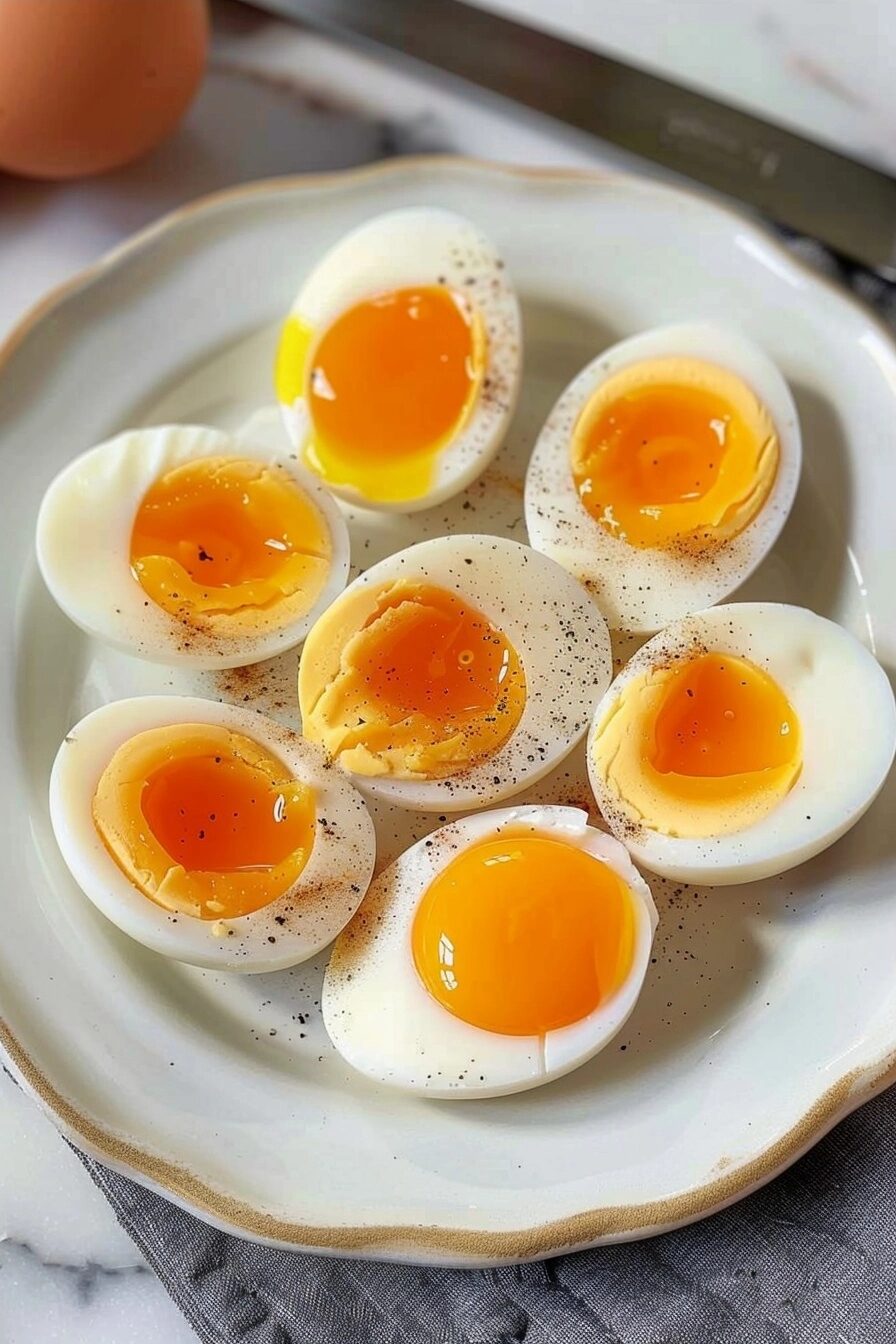
Immediately turn the heat back up and start your timer. For a classic jammy yolk, you need exactly 6 minutes and 30 seconds. If you prefer a slightly runnier yolk, stick to 6 minutes. For a firmer, custard-like yolk, go for 7 minutes. Keep the water at a gentle simmer during this window.
Step 4: Prepare the Ice Bath
While the eggs cook, fill your small bowl with cold water and ice cubes. This step is non-negotiable if you want to stop the internal cooking immediately. A quick thermal shock keeps that yolk at the perfect jammy consistency rather than letting residual heat overcook it.
Step 5: Cool and Peel
As soon as the timer goes off, carefully remove the eggs with your slotted spoon and drop them immediately into the ice bath. Let them sit for at least 3 minutes. Once cooled, gently tap the egg on the counter to crack the shell all over, then peel starting from the wider end where the air pocket is located.
Tips & Tricks
- Use eggs that are cold from the fridge, as they behave more predictably than room-temperature eggs when boiling.
- If you find shells stick to the whites, run your egg under cold tap water while peeling to help loosen the membrane.
- Always keep a timer running; even a 30-second deviation can change a jammy yolk into a hard-boiled one.
- Do not crowd your pan; ensure each egg has enough space to float slightly without bumping into others.
Serving Suggestions
Serve your eggs halved over sourdough toast rubbed with a little garlic and olive oil. They also work beautifully as a topping for savory ramen, congee, or a bowl of steamed quinoa with sautéed spinach. In the colder months, place them over roasted root vegetables for a light, satisfying dinner.
Variations / Substitutions
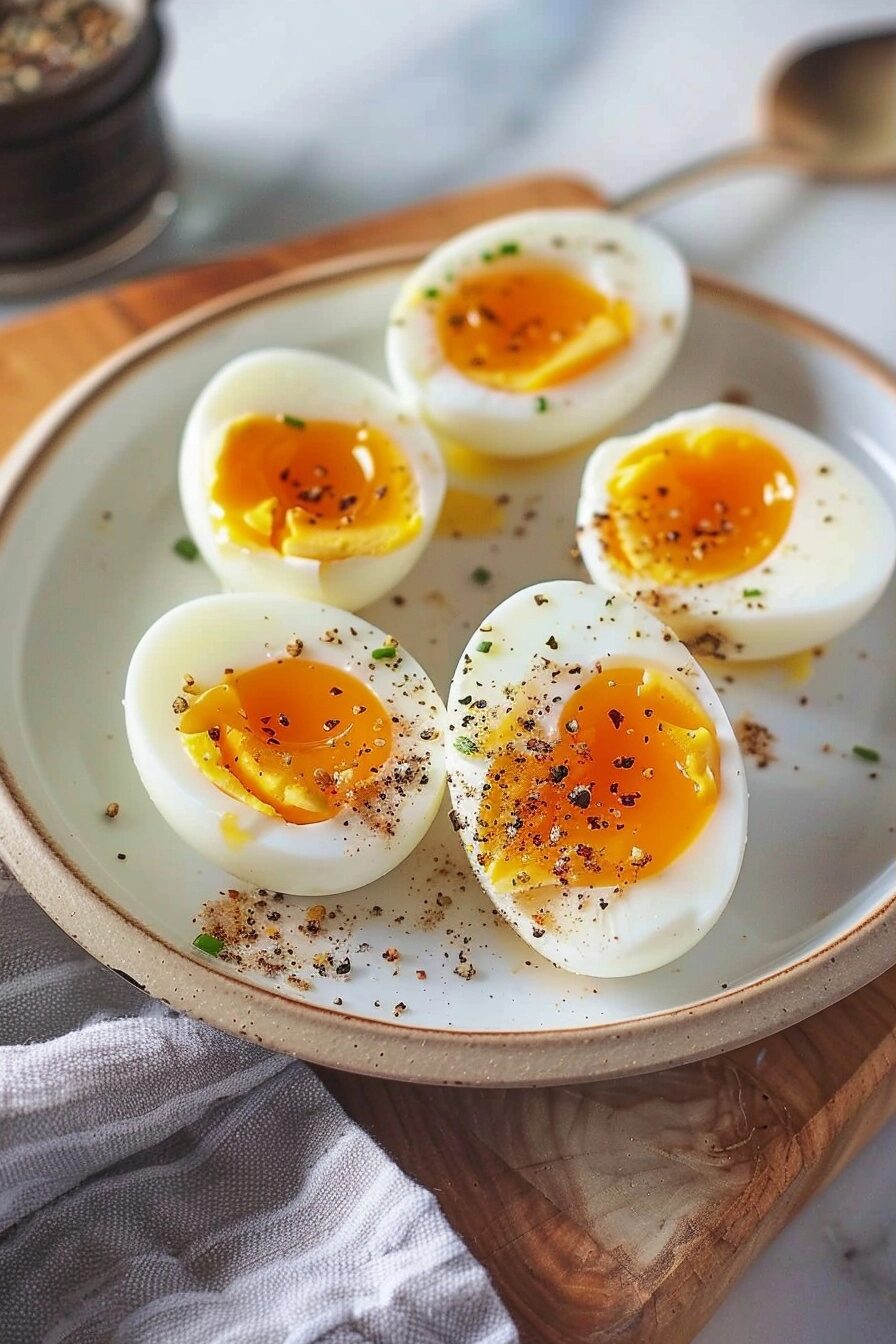
You can adjust the seasoning to suit your palate. Try a drizzle of chili crisp for heat or a dusting of dukkah for an earthy, crunchy bite. If you prefer a more subtle flavor, a simple sprinkling of chives provides a fresh, onion-like brightness that complements the rich yolk perfectly.
Storage and Reheating
Soft boiled eggs are best eaten immediately. However, if you must store them, keep them in their shells in the refrigerator for up to two days. To reheat, place the eggs in a bowl of very hot (not boiling) water for 3 to 5 minutes until warmed through. Avoid the microwave, as it will likely cause the yolk to explode.
Nutritional Info
Calories: 72 kcal
Protein: 6g
Carbohydrates: 0.5g
Fat: 5g
Conclusion
Mastering soft boiled eggs is a simple way to elevate your everyday meals. The contrast of the firm white and the molten, golden center brings a touch of luxury to even the simplest breakfast plate. Take your time with the timing, and you will be rewarded with a perfect result every single time.
Don’t be discouraged if your first attempt isn’t perfect, as stove temperatures vary. With a little practice, you will find your own “golden minute” for the perfect egg that fits your personal taste. Enjoy the process and the delicious results.
FAQ
How long can I store peeled soft boiled eggs?
Once peeled, soft boiled eggs should be consumed immediately as they are prone to drying out and losing their texture. If you need to prep ahead, keep them in the shell until you are ready to eat.
Can I soft boil eggs if they are past their expiration date?
It is best to use the freshest eggs possible for boiling, as the membrane is easier to peel. Fresh eggs have a cleaner flavor and structurally hold up better to the hot water plunge.
Why did my eggs crack in the boiling water?
Cracking usually happens when the egg hits the bottom of the pot too hard or if there is a significant temperature differential. Lower the eggs into the water slowly using a spoon to prevent any thermal impact.
What is the best way to peel them without tears?
The ice bath is your best friend when peeling. The rapid cooling causes the egg to contract slightly within the shell, creating a small gap between the egg and the membrane, which makes the shell slide off effortlessly.
Perfectly Jammy Soft Boiled Eggs
Ingredients
- 4 large cold eggs, straight from the refrigerator
- Water, enough to cover eggs by at least one inch
- Optional: Flaky sea salt
- Optional: Freshly cracked black pepper
- Optional: Chili flakes or smoked paprika
Instructions
- Fill a medium saucepan with enough cold water to fully submerge eggs by an inch and bring to a rolling boil over high heat.
- Reduce heat slightly and gently lower eggs into the water using a slotted spoon.
- Increase heat back to a gentle simmer and start your timer for 6 minutes and 30 seconds for a perfect jammy consistency.
- Prepare an ice bath in a small bowl while the eggs cook.
- Once the timer dings, immediately transfer eggs to the ice bath using a slotted spoon.
- Let the eggs sit in the ice bath for 3 minutes to stop the cooking process.
- Carefully peel the eggs and serve immediately with your desired seasonings.