
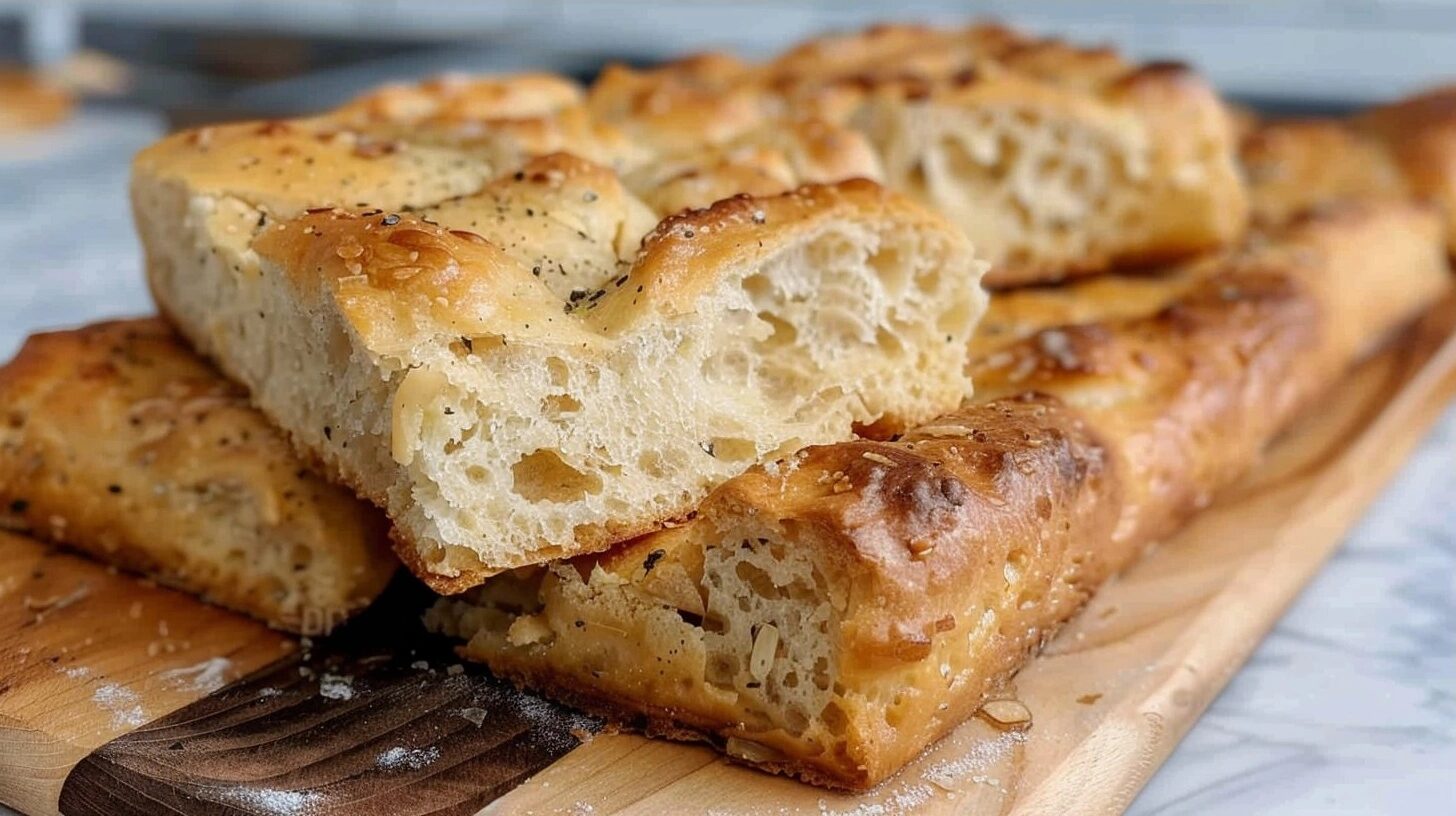
Crispy Sourdough Discard Garlic Herb Focaccia Bread is a rustic, dimpled flatbread infused with aromatic herbs and savory roasted garlic. This recipe transforms your leftover sourdough discard into a golden-crusted masterpiece that features a light, airy crumb and a deeply satisfying crunch in every bite.
Table of Contents
Table of Contents
Why You’ll Love This Crispy Sourdough Discard Garlic Herb Focaccia Bread
This recipe is a brilliant way to use up excess starter, ensuring that nothing in your pantry goes to waste. The sourdough discard adds a gentle, complex tang that balances the rich, earthy notes of fresh rosemary and cloves of slow-roasted garlic.
You will appreciate the texture contrast. The bottom of the focaccia fries in olive oil while baking, creating a signature crispy base that contrasts beautifully with the soft, cloud-like pockets in the top crust. It provides an immediate reward for minimal hands-on effort.
Simplicity defines this process. Unlike traditional long-ferment artisan loaves, this focaccia relies on the power of the oven and a generous pour of olive oil to achieve bakery-quality results. It is the perfect centerpiece for a family gathering or a cozy weeknight meal.
Ingredients of the Crispy Sourdough Discard Garlic Herb Focaccia Bread
For the Dough
- 500g all-purpose flour
- 150g active or inactive sourdough discard
- 350ml warm water
- 10g sea salt
- 7g instant yeast
- 30ml extra virgin olive oil
For the Topping
- 4 tablespoons extra virgin olive oil
- 4 cloves garlic, thinly sliced
- 1 tablespoon fresh rosemary, finely chopped
- 1 teaspoon flaky sea salt
Equipment / Tools Needed
- Large mixing bowl
- 9×13 inch rectangular baking pan
- Silicone spatula
- Measuring cups and spoons
- Kitchen scale
Step-by-Step Instructions
Step 1: Mix the Dough
Combine the flour, yeast, salt, water, and sourdough discard in a large bowl. Stir with a spatula until a shaggy, sticky mass forms. Ensure all the flour is hydrated, as this high-hydration dough is essential for the airy internal structure.
Step 2: Perform the Folds
Cover the bowl and let the dough rest for 30 minutes. Perform a set of stretch and folds by pulling the edges of the dough toward the center. This builds the gluten network necessary for the signature pull of a great focaccia.
Step 3: First Rise
Cover the dough with a damp cloth and let it rest in a warm spot for about two hours. You are looking for the dough to show surface bubbles and increase significantly in volume. It should look light and puffy.
Step 4: Transfer to Pan
Drizzle the baking pan generously with olive oil. Gently tip the dough into the pan, flipping it over once so both sides are coated. Let it relax for another 30 minutes, allowing it to naturally expand into the corners of the dish.
Step 5: Dimple and Season
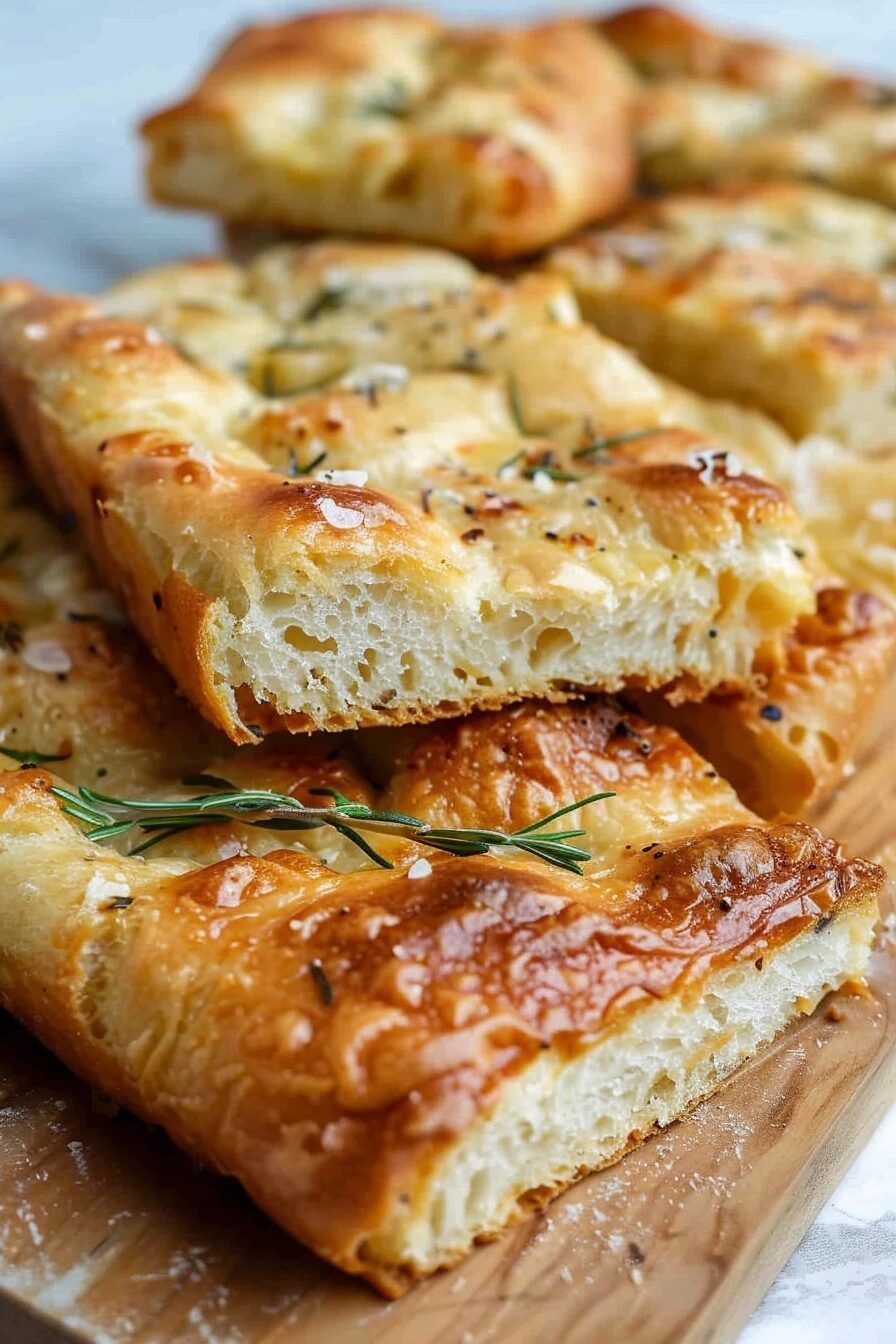
Use your oiled fingertips to press deep indentations into the dough, reaching all the way to the bottom of the pan. Evenly spread the sliced garlic and fresh rosemary over the top, making sure some garlic sinks into the dimples. Drizzle with the remaining olive oil and sprinkle with flaky sea salt.
Step 6: Bake to Perfection
Bake in a preheated oven at 425°F (220°C) for 20 to 25 minutes. The crust should reach a deep golden brown, and the garlic should be fragrant and lightly toasted. Remove from the oven and let it cool in the pan for 10 minutes before transferring to a wire rack.
Tips & Tricks
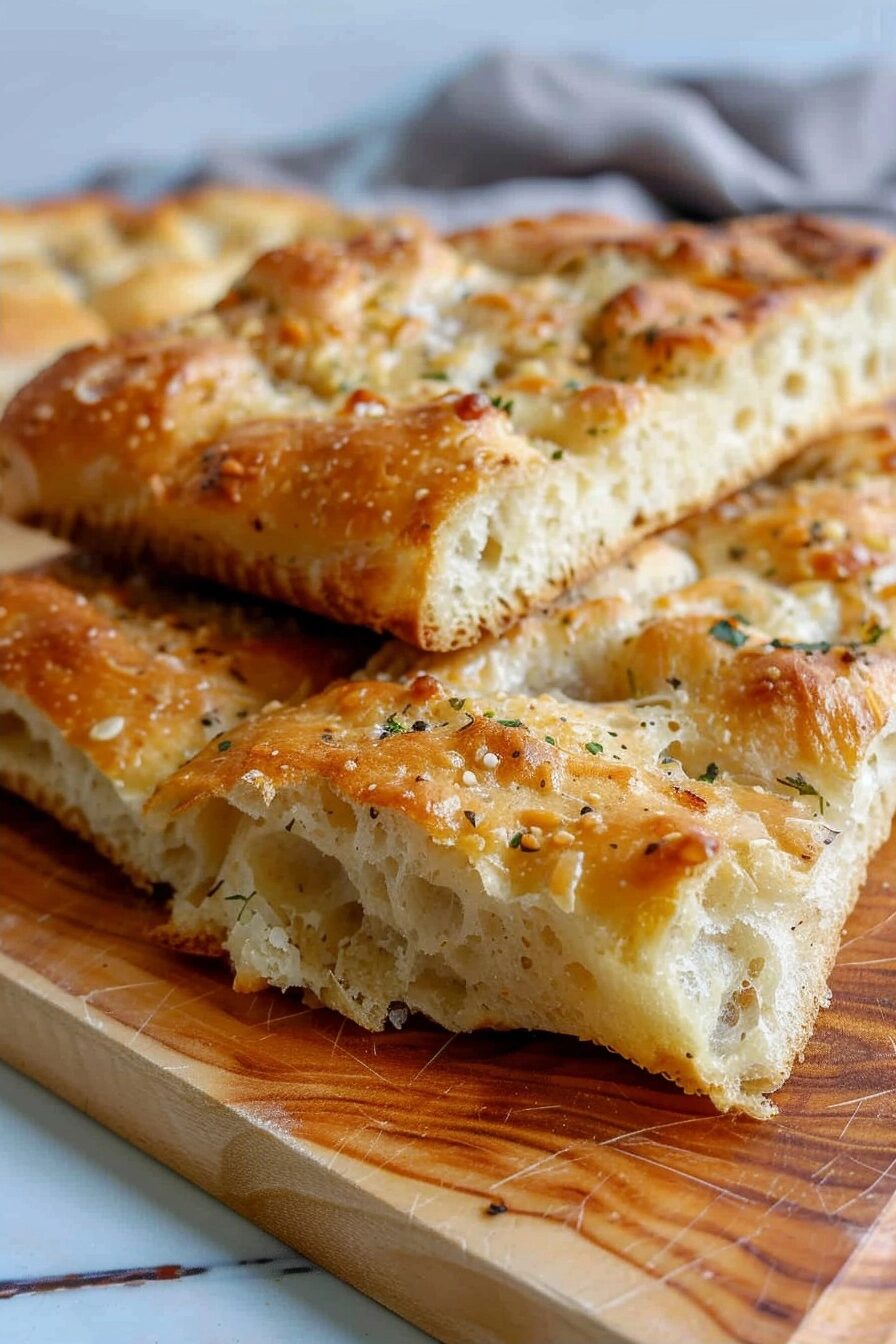
To ensure maximum crispiness, never skimp on the olive oil. The oil effectively deep-fries the bottom crust in the pan. If you prefer a more pronounced sour tang, you can cold-proof the dough in the refrigerator for up to 12 hours before bringing it to room temperature for the final rise.
Serving Suggestions
Serve this bread warm alongside a bowl of tomato soup or as the foundation for a gourmet vegetable sandwich. It works beautifully as an appetizer when paired with a balsamic reduction or a creamy hummus dip.
Variations / Substitutions
Feel free to customize your herbs. Fresh thyme, oregano, or even thinly sliced cherry tomatoes work exceptionally well. If you have an abundance of fresh chives, they provide a mild, onion-like bite that pairs perfectly with the roasted garlic.
Storage and Reheating
Store leftover bread in an airtight container at room temperature for up to two days. To restore that crispy texture, reheat slices in a toaster oven or a dry pan on the stovetop over medium heat for 2-3 minutes. Avoid the microwave, as it will make the bread soft and chewy.
Nutritional Info
Calories: 210 kcal per slice
Protein: 6g
Carbohydrates: 28g
Fat: 9g
Conclusion
This focaccia brings a professional touch to your home kitchen with minimal technical skill required. The combination of the sourdough discard and the crispy olive-oil-fried crust creates a depth of flavor that is truly remarkable.
Take your time with the dimpling process, as those intentional craters are where the olive oil and herbs create the most intense bursts of flavor. Enjoy sharing this warm, fragrant bread with family and friends.
FAQ
Can I substitute the sourdough discard?
The sourdough discard provides a specific texture and tang that is hard to replace. Using an equal amount of water and flour can work, but you would need to increase the yeast slightly to compensate for the lack of wild yeast activity.
How do I keep the bottom from burning?
If your oven runs hot, place the baking pan on the middle rack instead of the bottom rack. A heavy-duty metal baking pan generally provides better heat distribution than a thin one, which helps prevent uneven browning.
Is it possible to make this ahead of time?
Yes, you can prepare the dough up until the point of spreading it in the pan and then store it in the refrigerator overnight. Bring it back to room temperature before dimpling and baking to ensure the best rise.
What if my dough is too sticky?
High-hydration doughs are naturally sticky. Keep your hands well-oiled while handling to prevent sticking, and avoid adding extra flour, as this will result in a dense, dry bread rather than the light and airy texture you desire.
Recipe Card
Yield: 8-10 servings
Prep time: 30 minutes
Cook time: 25 minutes
Total time: 3 hours 15 minutes
Crispy Sourdough Discard Garlic Herb Focaccia Bread
Ingredients
- 500g all-purpose flour
- 150g sourdough discard
- 350ml warm water
- 10g sea salt
- 7g instant yeast
- 30ml extra virgin olive oil
- 4 tablespoons extra virgin olive oil (for topping)
- 4 cloves garlic, thinly sliced
- 1 tablespoon fresh rosemary, finely chopped
- 1 teaspoon flaky sea salt
Instructions
- Combine the flour, yeast, salt, water, and sourdough discard in a large bowl and stir until a shaggy mass forms.
- Cover the bowl and let the dough rest for 30 minutes.
- Perform a set of stretch and folds by pulling the edges of the dough toward the center to build structure.
- Cover the dough with a damp cloth and let it rise in a warm spot for about two hours until puffy and bubbly.
- Drizzle a 9×13 inch pan generously with olive oil and transfer the dough into the pan, flipping to coat.
- Let the dough relax in the pan, then dimple the surface with your fingertips.
- Top with sliced garlic, fresh rosemary, and flaky sea salt.
- Bake in a preheated oven until golden brown and crispy.