
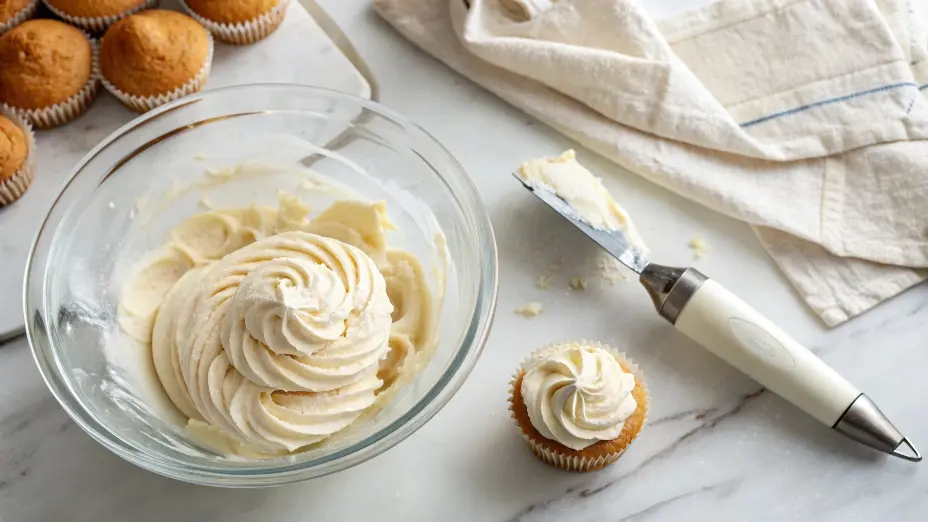
buttercream frosting recipe
This Easy Buttercream Frosting Recipe for Cakes and Cupcakes is the kind of staple every home baker needs—a silky-smooth, sweet vanilla frosting that whips up in minutes. With just butter, powdered sugar, vanilla, and a splash of cream or milk, you get a luscious frosting that spreads like a dream and holds gorgeous swirls and rosettes.
Whether you’re frosting a celebration cake, piping tall swirls on cupcakes, or decorating cookies with kids, this buttercream is stable, easy to flavor or color, and far more delicious than anything from a tub. Once you see how quickly it comes together, it will become your go-to for every baking project.
Table of Contents
Table of Contents
Buttercream Frosting Recipe

Equipment
- 1 Stand mixer or hand mixer For whipping the butter and frosting until fluffy.
- 1 Mixing Bowl Large enough to hold the frosting ingredients.
- 1 Spatula For scraping the bowl and smoothing frosting.
- 1 Sifter or fine-mesh sieve To sift powdered sugar and remove lumps.
Ingredients
Buttercream Frosting
- 1 cups unsalted butter, room temperature Soft but not melted.
- 3-4 cups powdered (confectioners’) sugar, sifted Add more or less to adjust consistency.
- 2 teaspoons vanilla extract or vanilla bean paste Use paste for stronger vanilla flavor and specks.
- 2-4 tablespoons heavy cream or milk Add gradually until desired consistency is reached.
- 0.25 teaspoons salt Just a pinch to balance sweetness.
Instructions
How to Make Buttercream Frosting
- Step 1: Place the room-temperature unsalted butter and a pinch of salt in a large mixing bowl or stand mixer bowl.
- Step 2: Beat the butter on medium speed until it becomes pale, creamy, and slightly fluffy, scraping down the bowl as needed.
- Step 3: Sift the powdered sugar, then add it to the butter in batches, mixing on low after each addition until incorporated before increasing the speed to medium.
- Step 4: Add the vanilla extract or vanilla bean paste and 2 tablespoons of cream or milk, then beat the frosting until it looks smooth, light, and fluffy.
- Step 5: Adjust the consistency as needed by adding more cream or milk a teaspoon at a time to thin, or a little extra powdered sugar to thicken.
- Step 6: For an extra-smooth finish, stir the buttercream by hand with a spatula to release any large air bubbles, then use immediately to frost cakes and cupcakes or store for later.
Why You’ll Love This Buttercream Frosting Recipe
- Uses simple pantry ingredients and comes together in about 10–15 minutes.
- Whips up light, creamy, and smooth, perfect for frosting, filling, and piping decorations.
- Easily adjustable in consistency—thicken with more sugar or loosen with a bit more cream.
- Takes flavor and color beautifully, from classic vanilla to cocoa, citrus, or gel food coloring.
- Stores well in the fridge or freezer, so you can make it ahead for busy baking days.
Recipe Snapshot
| Recipe Snapshot | |
|---|---|
| Category | Dessert / Frosting |
| Cuisine | American |
| Prep Time | 10–15 minutes |
| Cook Time | 0 minutes |
| Total Time | 10–15 minutes |
| Dietary | Vegetarian |
| Serves | Frosts 12–24 cupcakes or 1 cake |
| Best Served | At cool room temperature |
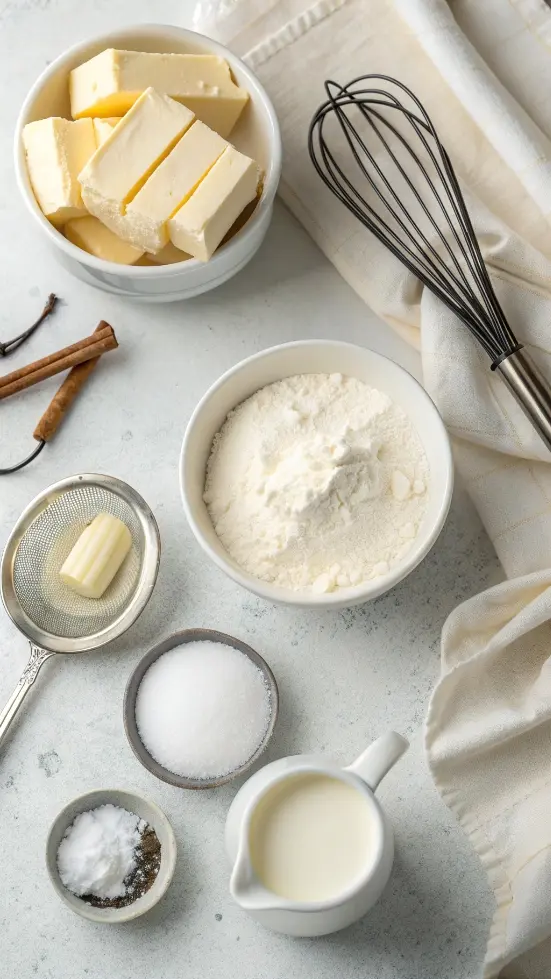
Ingredients for Buttercream Frosting Recipe
- Unsalted butter: The rich, creamy base of the frosting; using room-temperature butter ensures it whips up light and fluffy.
- Powdered (confectioners’) sugar: Sweetens the buttercream and gives it structure for spreading and piping.
- Vanilla extract or vanilla bean paste: Adds warm, bakery-style flavor; paste gives lovely specks and a stronger vanilla note.
- Heavy cream or milk: Loosens the frosting to a silky, spreadable consistency and adds extra richness.
- Salt: A tiny pinch balances the sweetness and makes the vanilla flavor shine.
How to Make the Buttercream Frosting Recipe
Step 1: Soften the butter
Let the unsalted butter sit at room temperature until it’s soft but not greasy; it should give easily when pressed with a fingertip.
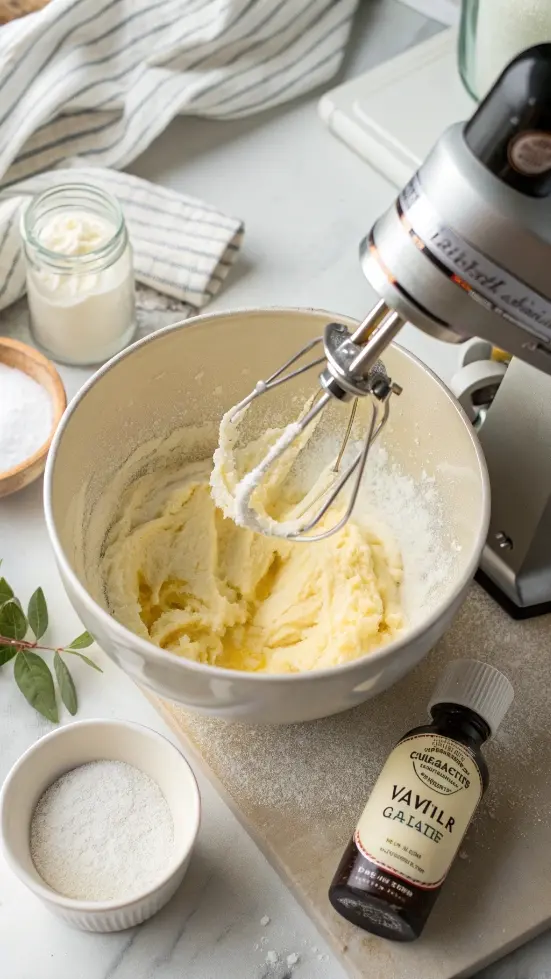
Step 2: Beat the butter
Add the softened butter and a pinch of salt to a mixing bowl or stand mixer and beat until pale, creamy, and slightly fluffy.
Step 3: Add the powdered sugar
Sift the powdered sugar to remove lumps, then add it to the butter in batches, mixing on low at first so it doesn’t puff everywhere, then increasing to medium until fully incorporated.
Step 4: Add vanilla and cream
Pour in the vanilla and a small amount of cream or milk, then beat again until the frosting looks smooth, light, and fluffy, adding more liquid a little at a time if needed.
Step 5: Adjust consistency
If the buttercream is too thick, add a teaspoon of cream or milk at a time; if too soft, mix in a bit more powdered sugar until it holds soft peaks and spreads easily.
Step 6: Smooth or pipe
For extra-smooth buttercream, finish by stirring with a spatula to press out air bubbles, then spread over cakes or pipe onto cupcakes with your favorite piping tip.
Pro Tips of Making the Buttercream Frosting Recipe
- Start with butter that’s truly room temperature so it creams smoothly with no lumps.
- Always sift powdered sugar to avoid clogs in piping tips and ensure a silky texture.
- Beat the frosting long enough to get it light and fluffy, but not so long that it becomes too airy to smooth.
- Add cream or milk slowly; it’s easier to thin frosting than to fix one that’s too runny.
- For bright colors, use gel food coloring and mix on low speed to keep the texture stable.
How to Serve Buttercream Frosting Recipe
- Swirled high on cupcakes for birthdays, parties, or bake sales.
- Smoothed over layer cakes as a classic vanilla frosting.
- Piped as rosettes, borders, and simple flowers for decorated cakes.
- Used as a filling between cake layers for extra sweetness and moisture.
- Spread over sheet cakes for easy, family-style desserts.
- Swirled onto brownies or cookie bars for an indulgent finish.
- Colored in pastel shades for baby showers, weddings, or spring celebrations.
- Tinted bold colors for themed cakes and kids’ birthday treats.
- Piped onto sugar cookies or sandwich cookies as a sweet filling.
- Flavored with cocoa, citrus zest, or extracts (like almond or peppermint) to match any dessert.
Make Ahead and Storage
Storing Leftovers
- Transfer buttercream to an airtight container or piping bags, pressing out as much air as possible.
- Refrigerate for up to about 1 week, letting it come back to room temperature before re-whipping briefly.
- Keep it away from strong-smelling foods so it doesn’t absorb odors.
Freezing
- Portion buttercream into airtight containers or tightly sealed piping bags, labeling with the date.
- Freeze for up to about 2–3 months for best flavor and texture.
- Thaw in the refrigerator, then bring to room temperature and beat briefly to restore smoothness.
Reheating
- Buttercream doesn’t need traditional reheating; instead, let chilled frosting sit at room temperature until soft.
- If it looks slightly grainy after chilling, beat again on medium speed until creamy and smooth.
- Avoid microwaving in large amounts; if you must, use very short bursts with lots of stirring to prevent melting.
For More Recipes, follow me on Facebook and Pinterest
FAQs
Can I use salted butter instead of unsalted?
Why is my buttercream grainy or gritty?
How much frosting does this make?
Can I leave buttercream frosting at room temperature?
American buttercream made with just butter, sugar, and a little dairy is typically fine at cool room temperature for a day or so, but refrigerate for longer storage.