
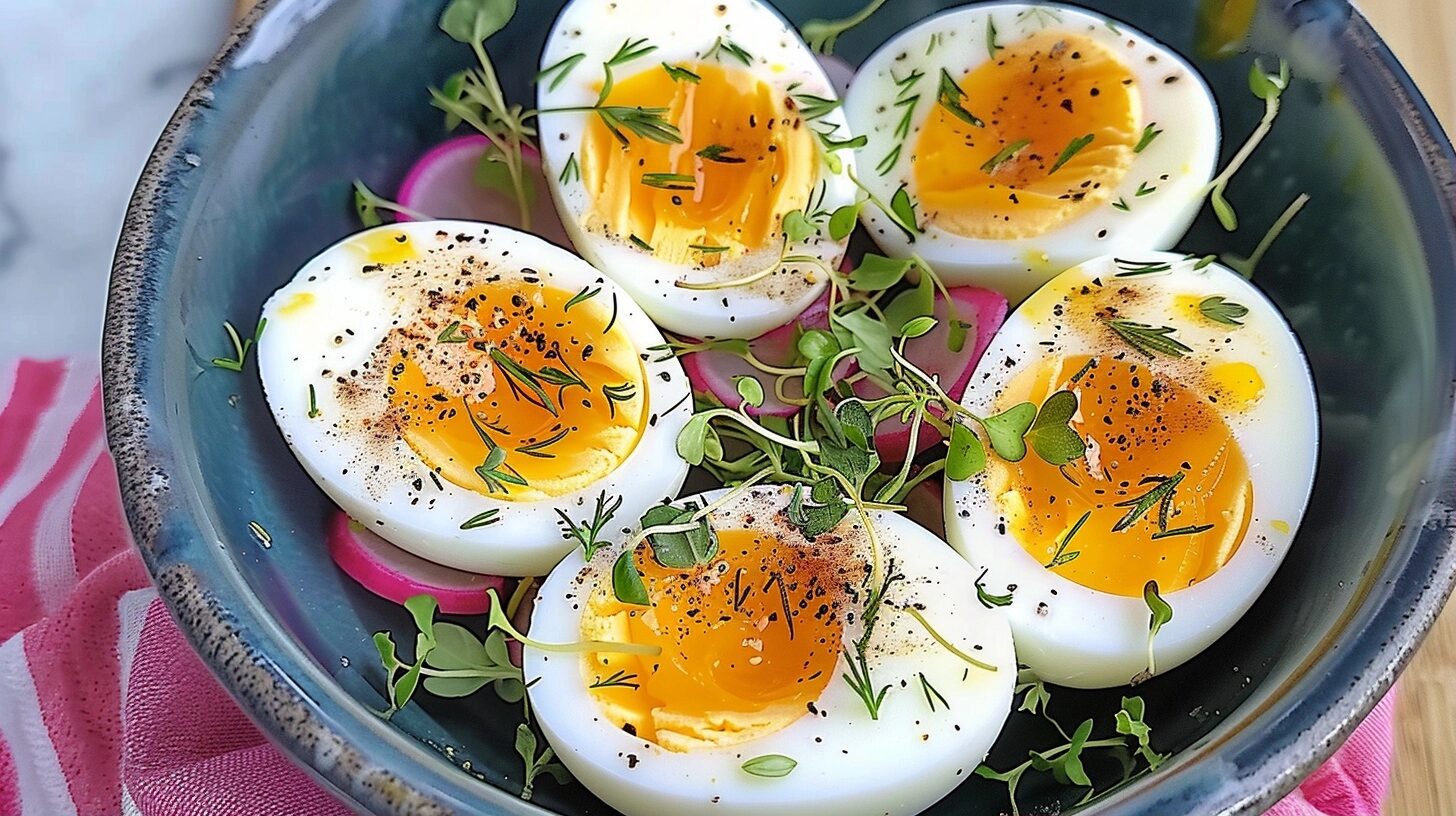
Quick soft boiled eggs provide a luscious, velvet-textured breakfast or snack that comes together in less than ten minutes. By using precise timing and a simple thermal shock method, you achieve firm, tender whites contrasted by a warm, flowing golden yolk that elevates everything from toast to salads.
Table of Contents
Table of Contents
Why You’ll Love These Quick Soft-Boiled Eggs
There is nothing quite like the simplicity of a soft-boiled egg to start your morning. The beauty of this technique lies in its reliability; once you master the timing, you can count on that perfect liquid gold center every single day without fail. Whether you are dipping in thick sourdough soldiers or topping a grain bowl, the texture of a properly cooked egg is unmatched.
You will love how these eggs bring a sense of luxury to humble ingredients. The creamy mouthfeel of the yolk acts as a natural sauce, coating ingredients and adding richness without the need for heavy dressings or butter. It turns a quick meal into a gourmet experience with minimal effort.
Consistency is the hallmark of this approach. Unlike frying or scrambling, which require constant attention at the stove, boiling eggs is a hands-off process. Once the timer starts, you are free to prep your coffee or organize your day, knowing that your protein is cooking to perfection in the background.
Ingredients of the Quick Soft Boiled Eggs
For the Eggs
- 4 large eggs, kept at room temperature
- 1 liter of water for boiling
- 1 bowl of ice water (for the cooling bath)
Equipment / Tools Needed
- Medium-sized saucepan
- Kitchen timer
- Slotted spoon
- Small bowl filled with ice and water
Step-by-Step Instructions
Step 1: Boil the Water
Fill your saucepan with enough water to cover the eggs by at least one inch. Bring the water to a vigorous, rolling boil over high heat. Watch for large, frantic bubbles breaking the surface, which ensures the temperature is stable once the eggs enter the pot.
Step 2: Gently Add the Eggs
Lower the heat to a simmer to prevent the eggs from cracking when they hit the bottom. Using a slotted spoon, gently lower each egg into the water. Once all eggs are submerged, immediately return the heat to a gentle boil and start your timer for exactly six and a half minutes.
Step 3: Prepare the Ice Bath
While the eggs are cooking, set up a bowl filled with cold water and a generous amount of ice. This thermal shock is the secret to stopping the cooking process instantly, ensuring the yolk stays soft and the whites remain tender rather than rubbery.
Step 4: The Cooling Process
As soon as the timer chimes, use your slotted spoon to move the eggs from the boiling water directly into the ice bath. Let them sit in the ice water for three full minutes. This specific window allows the interior to set just enough to be handled while keeping the yolk silky and warm.
Step 5: Peel and Serve
Gently tap the shell all over on your countertop to create fine cracks. Peel the eggs under a thin stream of cool running water, which helps the shell slip away easily from the delicate whites. Serve immediately while still warm for the best flavor experience.
Tips & Tricks
Always use eggs that are slightly older rather than farm-fresh ones, as they are easier to peel after boiling. When you add the eggs, try not to overcrowd the pot, as this can cause the water temperature to drop too low and lead to uneven cooking. A tiny pinch of salt in the boiling water can also help seal any accidental cracks in the shell.
Serving Suggestions
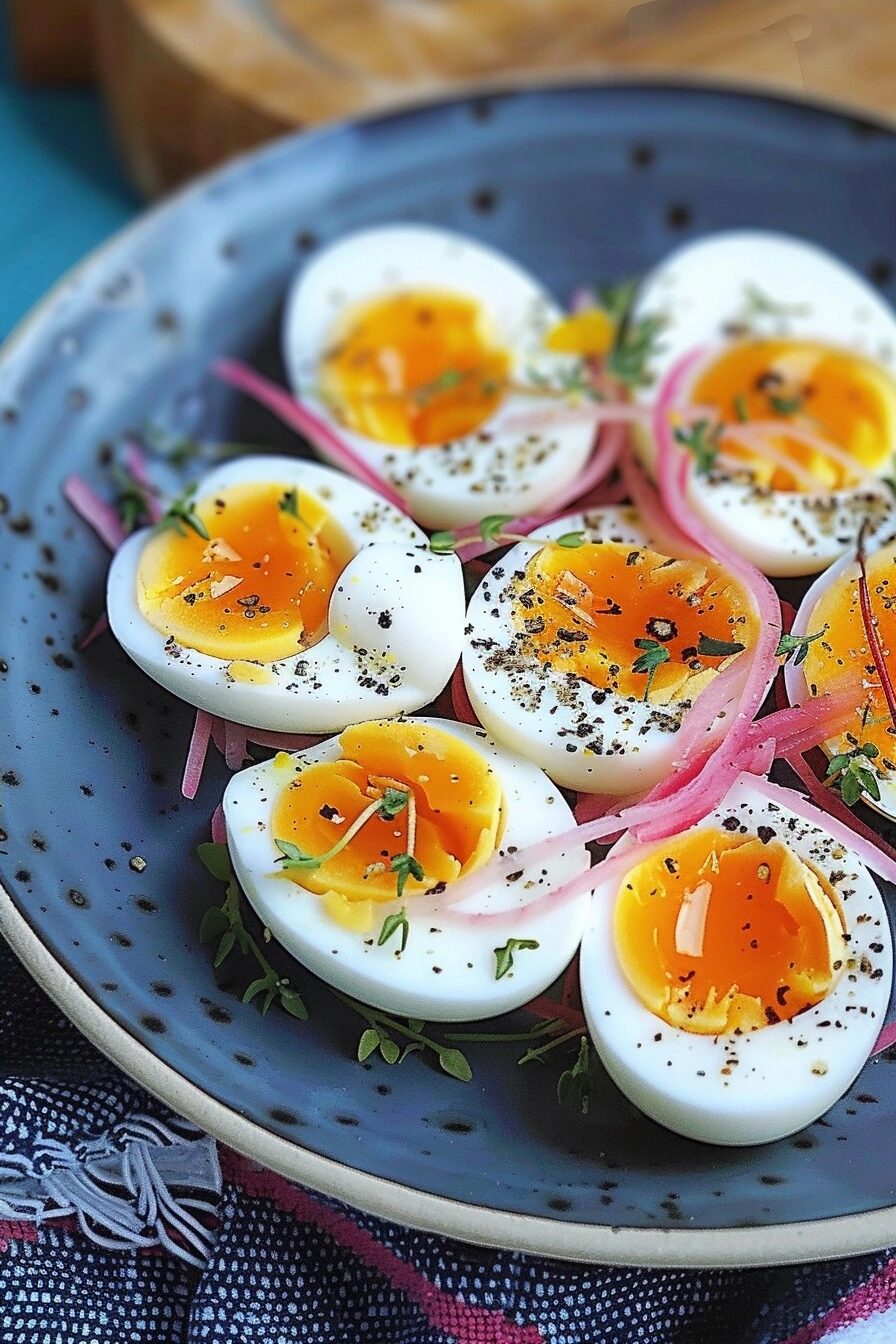
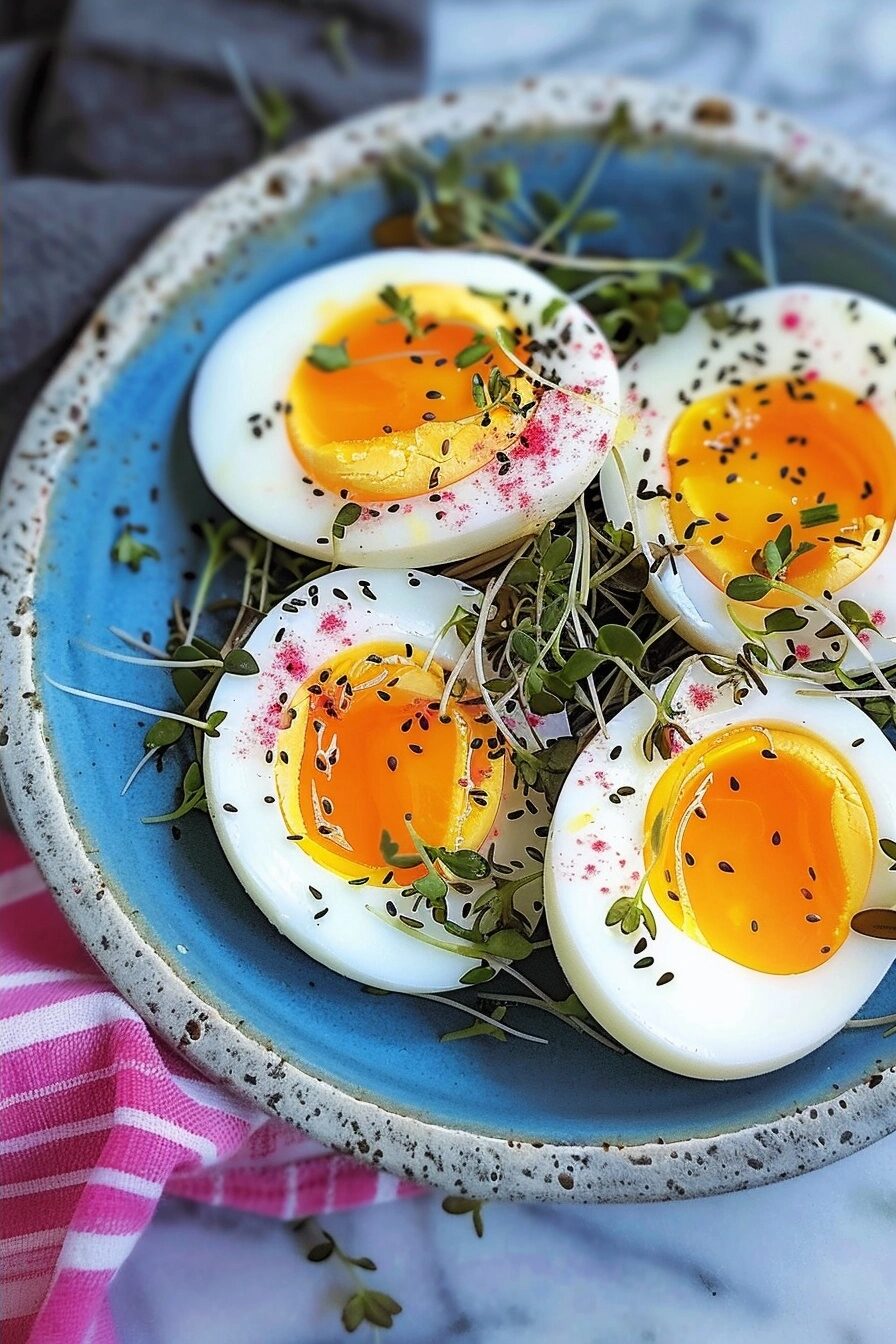
Soft boiled eggs are classically served with slices of buttered, toasted sourdough or baguette, often referred to as soldiers. You can also place them atop a bed of sautéed spinach, steamed asparagus, or a warm quinoa bowl. A light sprinkle of smoked paprika or freshly cracked black pepper adds a depth of flavor that complements the richness of the yolk.
Variations / Substitutions
If you prefer a slightly firmer set, increase your cooking time to seven minutes. For a more jammy consistency often used in ramen, cook for exactly seven and a half minutes. You can also experiment with different seasonings, such as za’atar or chili flakes, to change the flavor profile of your snack.
Storage and Reheating
These eggs are best enjoyed immediately. If you must store them, keep them in their shells in the refrigerator for up to 24 hours. To reheat, place the eggs in a bowl of very hot—not boiling—water for two minutes to gently warm the yolk without cooking it further.
Nutritional Info
Calories: 72 kcal
Protein: 6g
Carbohydrates: 0.5g
Fat: 5g
Conclusion
Mastering this simple technique allows you to enjoy a high-quality, protein-packed meal in mere minutes. The contrast between the firm, delicate whites and the velvety yolk makes these eggs a versatile staple in any kitchen.
Take the time to time your cooking accurately, and you will find that these eggs become a favorite part of your culinary routine. Enjoy the process of perfecting your rhythm in the kitchen.
FAQ
How long should I keep the eggs in the fridge?
It is best to consume soft boiled eggs immediately after cooking. If you need to store them, keep them in their shells in the refrigerator for no more than one day, as the yolk will continue to change texture.
Can I use eggs straight from the fridge?
Yes, but you should add an extra minute to the boiling time to account for the colder starting temperature of the egg. Always handle them carefully, as the rapid temperature change makes the shells more prone to cracking.
How do I know if they are perfectly cooked?
A perfectly cooked soft boiled egg features whites that are fully set and opaque, while the yolk remains liquid and warm. If the yolk feels runny but dense, you have achieved the perfect classic soft boil.
Can I make these ahead of time for guests?
You can boil the eggs, shock them in ice, and keep them refrigerated in their shells. When guests arrive, simply submerge them in hot water for two minutes to warm them through before serving.
Quick Soft Boiled Eggs
Ingredients
- 4 large eggs (at room temperature)
- 1 liter water
- 1 bowl of ice water (for ice bath)
Instructions
- Fill a saucepan with enough water to cover eggs by at least one inch and bring to a rolling boil.
- Lower heat to a simmer and gently lower the eggs into the water using a slotted spoon.
- Increase heat to a gentle boil and start a timer for exactly 6.5 minutes.
- Prepare an ice bath with cold water and ice while the eggs cook.
- After the timer, transfer eggs immediately to the ice bath using a slotted spoon.
- Let the eggs cool in the ice bath for 3 minutes before peeling and serving.