
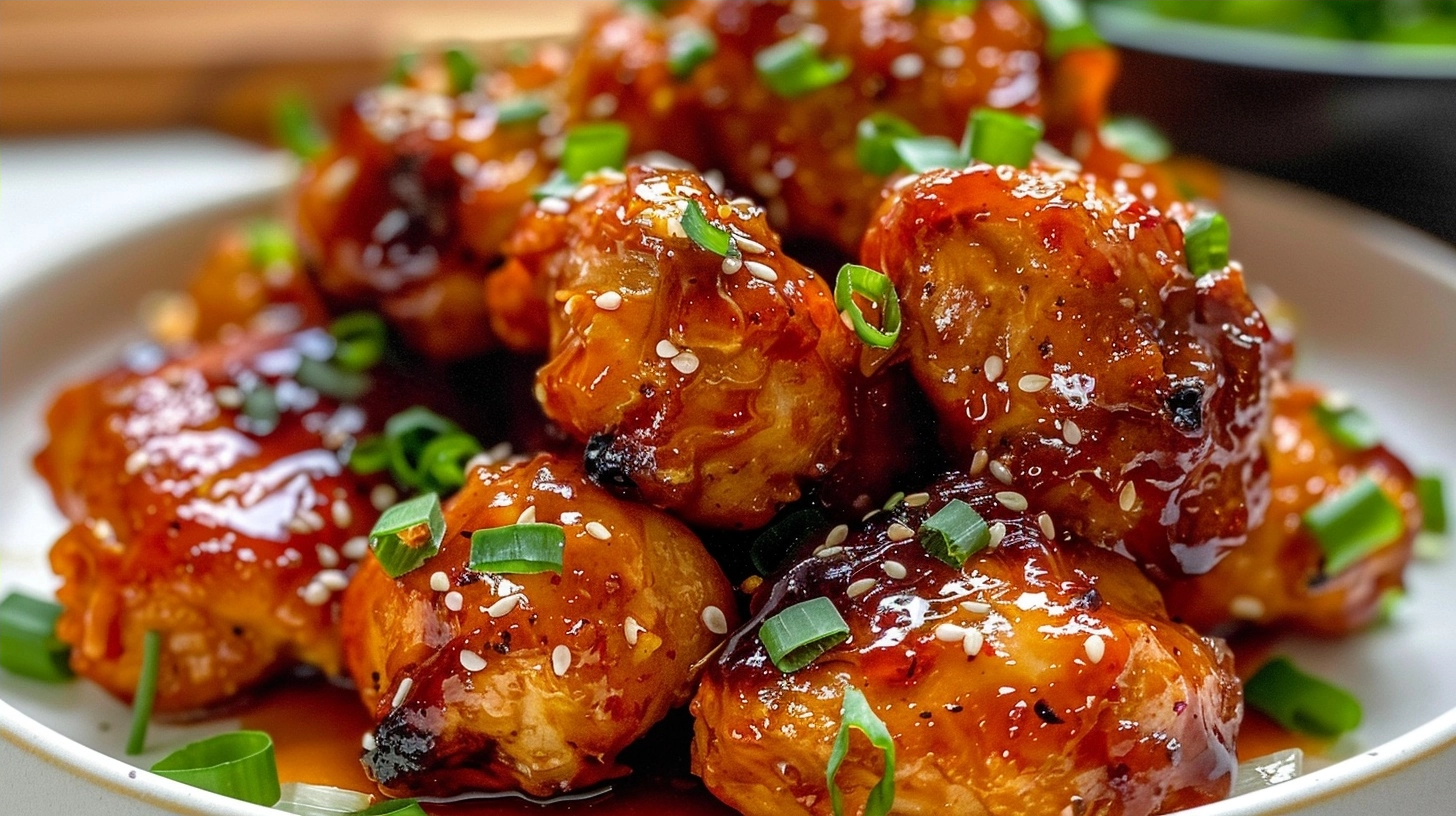
High-Protein Honey Gochujang Chicken offers a perfect balance of fiery heat, natural sweetness, and substantial nutrition in every savory bite. This lean, tender chicken dish utilizes the unique fermented depth of gochujang paste to create a restaurant-quality meal that fits easily into a balanced fitness-focused diet. By focusing on quality proteins and vibrant aromatics, this recipe provides a satisfying dining experience without the need for processed additives.
Why You’ll Love This High-Protein Honey Gochujang Chicken
You will appreciate the depth of flavor that comes from the marriage of sweet honey and savory gochujang. The glaze caramelizes beautifully in the pan, coating the lean chicken breast in a glossy, sticky sauce that feels indulgent yet remains entirely macro-friendly.
This recipe thrives on simplicity, making it ideal for busy weeknights when you need a substantial protein boost. Because the ingredients are pantry staples for anyone who enjoys bold, global flavors, you can assemble this dish in minutes, allowing you to spend less time in the kitchen and more time enjoying a nutrient-dense meal.
Beyond the taste, the texture contrast between the tenderized chicken and the slightly thickened, reduced glaze is incredibly satisfying. It delivers the comfort of takeout at home, providing a healthier alternative that you can customize based on your preferred heat level and vegetable sides.
Ingredients of the High-Protein Honey Gochujang Chicken
For the Chicken
- 1.5 lbs boneless, skinless chicken breasts, cut into bite-sized cubes
- 1 tbsp olive oil
- 1 tsp garlic powder
- Sea salt and black pepper to taste
For the Glaze
- 3 tbsp gochujang paste
- 2 tbsp raw honey
- 1 tbsp soy sauce or coconut aminos
- 1 tsp rice vinegar
- 2 cloves garlic, finely minced
- 1 tsp fresh ginger, grated
For Toppings
- Toasted sesame seeds
- Sliced scallions
Equipment / Tools Needed
- Large non-stick skillet
- Mixing bowl
- Chef knife
- Rubber spatula
- Measuring spoons
Step-by-Step Instructions
Step 1: Prepare the Chicken
Pat your chicken breast cubes dry with a paper towel to ensure they brown rather than steam. In a bowl, toss the chicken with a drizzle of olive oil, garlic powder, and a pinch of salt and pepper until evenly coated.
Step 2: Mix the Sauce
In a small separate bowl, whisk together the gochujang paste, honey, soy sauce, rice vinegar, minced garlic, and fresh grated ginger. Ensure the mixture is smooth and the honey is fully incorporated into the thick paste, creating a consistent, vibrant red glaze.
Step 3: Sear the Protein
Heat your skillet over medium-high heat. Add the chicken in a single layer, ensuring it is not overcrowded. Cook until the edges are golden brown and the meat is opaque throughout, which usually takes about 6 to 8 minutes depending on the size of your cubes.
Step 4: Glaze and Finish
Lower the heat to medium and pour the sauce mixture over the cooked chicken. Stir constantly for 1-2 minutes as the sauce bubbles and thickens, clinging to the chicken with a glossy, deep red finish. Once the sauce has reduced and the chicken is fully coated, remove from heat immediately.
Tips & Tricks
To ensure the most tender texture, do not overcook the chicken once the sauce is added. The honey in the glaze can burn quickly if left over high heat for too long, so keep the heat moderate during the final reduction. If you prefer a thinner sauce, add a splash of water or chicken broth to the skillet while the sauce is bubbling.
Serving Suggestions
This dish pairs perfectly with a bed of fluffy jasmine rice or quinoa to soak up the extra glaze. For a lower-carb option, serve it alongside roasted broccoli or stir-fried bok choy. The contrast between the spicy chicken and cooling fresh cucumbers or a simple cabbage slaw makes for an excellent seasonal meal.
Variations / Substitutions
You can easily substitute chicken breasts with chicken thighs if you prefer a juicier result, though the total fat content will increase. For a vegetarian variation, firm tofu cubes pressed well and pan-seared work wonderfully with this exact sauce profile. If you are sensitive to soy, use coconut aminos as a direct, lower-sodium alternative.
Storage and Reheating
Store any leftovers in an airtight container in the refrigerator for up to three days. To reheat, use a small pan over medium-low heat with a tiny splash of water to loosen the glaze. Avoid microwaving if possible, as it tends to make the chicken rubbery and may cause the sauce to separate.
Nutritional Info
Calories: 320 kcal
Protein: 38g
Carbohydrates: 18g
Fat: 9g
Conclusion
This dish brings a bold, aromatic punch to your meal prep routine, proving that healthy eating never has to feel boring or restricted. The combination of heat and sweetness makes it a versatile favorite for anyone looking to increase their protein intake while enjoying complex, satisfying flavors.
Enjoy the process of making this meal, and feel free to adjust the spice levels to suit your personal palate. It is a reliable, delicious way to fuel your body with wholesome ingredients that truly taste like a treat.
FAQ
Can I make this dish ahead of time?
Yes, you can prep the chicken and whisk the sauce ahead of time, but it is best cooked fresh. The sauce thickens significantly once refrigerated, so if you do meal prep, add a small amount of liquid during reheating to restore the original glaze consistency.
Is this recipe very spicy?
Gochujang has a moderate heat level, but it is mellowed by the sweetness of the honey. If you are sensitive to spice, use slightly less gochujang and add a bit more honey to balance the intensity.
Can I bake the chicken instead?
You can bake the chicken at 400°F (200°C) for 15-20 minutes until cooked through. However, for the best results with the glaze, it is recommended to toss the baked chicken in the sauce in a pan on the stove for a minute to achieve that sticky, caramelized texture.
What is the best way to keep the chicken tender?
To keep the chicken tender, avoid overcooking it in the first step. Removing the chicken from the heat as soon as it is cooked through and ensuring the final sauce reduction is quick will preserve the natural juices in the meat.
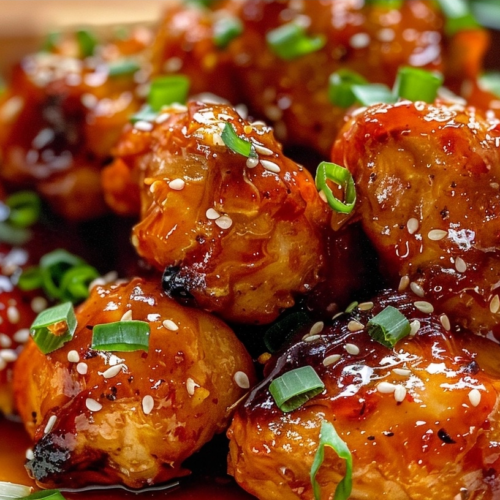
High-Protein Honey Gochujang Chicken
Ingredients
- 1.5 lbs boneless, skinless chicken breasts, cut into bite-sized cubes
- 1 tbsp olive oil
- 1 tsp garlic powder
- Sea salt and black pepper to taste
- 3 tbsp gochujang paste
- 2 tbsp raw honey
- 1 tbsp soy sauce or coconut aminos
- 1 tsp rice vinegar
- 2 cloves garlic, finely minced
- 1 tsp fresh ginger, grated
- Toasted sesame seeds for garnish
- Sliced scallions for garnish
Instructions
- Pat chicken breast cubes dry with a paper towel.
- Toss chicken in a bowl with olive oil, garlic powder, salt, and pepper until evenly coated.
- In a separate small bowl, whisk together gochujang, honey, soy sauce, rice vinegar, minced garlic, and ginger.
- Heat a large non-stick skillet over medium-high heat.
- Add chicken to the skillet and sear until golden brown and cooked through.
- Pour the prepared sauce over the chicken in the skillet.
- Reduce heat to medium and simmer, stirring constantly, until the sauce thickens and glazes the chicken perfectly.
- Remove from heat and garnish with toasted sesame seeds and sliced scallions before serving.
Notes
Adjust the amount of gochujang to control the spice level according to your preference.
Serve over brown rice, quinoa, or with steamed vegetables for a complete meal.